
Ilex maximowicziana var. kanehirae
Ilex maximowicziana Loes. var. kanehirae (Yamam.) T. Yamaz.
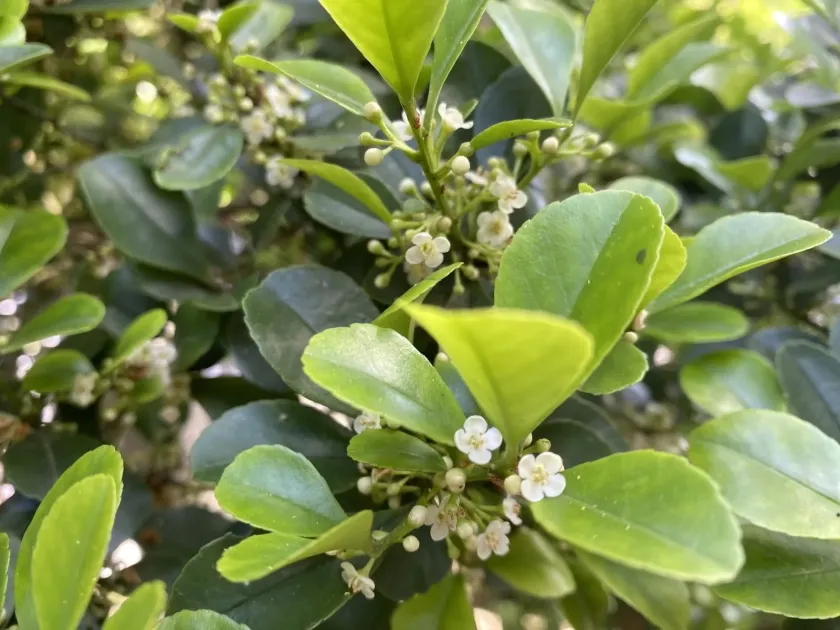
Description
Growing requirements
Ilex maximowicziana var. kanehirae is a distinctive evergreen species belonging to the Aquifoliaceae family. Native to the subtropical regions of Taiwan and Japan, it typically grows in forest understories, benefiting from the shelter of larger trees and humid conditions.
This species is well-suited for temperate to subtropical climates and requires protection from frost, as it is not highly tolerant of severe winter temperatures below -10°C. It thrives in locations with dappled shade or indirect sunlight during the hottest hours of the day.
The soil should be moist, well-draining, and rich in organic matter. An acidic to slightly neutral pH is essential for optimal nutrient uptake. Heavy clay soils must be amended with organic compost and grit to prevent root zone waterlogging, which the plant does not tolerate.
Cultural practices should emphasize consistent soil moisture throughout the growing season. Applying a layer of organic mulch around the root zone helps regulate soil temperature and retains moisture, effectively mimicking the natural forest floor environment.
In landscaping, this variety is highly regarded for its dense, glossy foliage and adaptability to pruning. It serves as an excellent choice for ornamental hedges, specimen planting, and topiary displays, adding a rich, verdant texture to formal or woodland-style gardens.
Main diseases and pests
The plant is susceptible to common garden pests such as scale insects, which may cause yellowing and premature leaf drop. Early detection and the application of horticultural oils or systemic insecticides are effective measures to maintain plant health.
Fungal leaf spot diseases can occur during prolonged periods of high humidity and poor ventilation. Providing adequate spacing between plants and maintaining sanitary conditions by removing fallen debris significantly reduces the risk of infection.