
Japanese holly
Ilex crenata x Ilex maximowicziana var. kanehirae
Description
Growing requirements
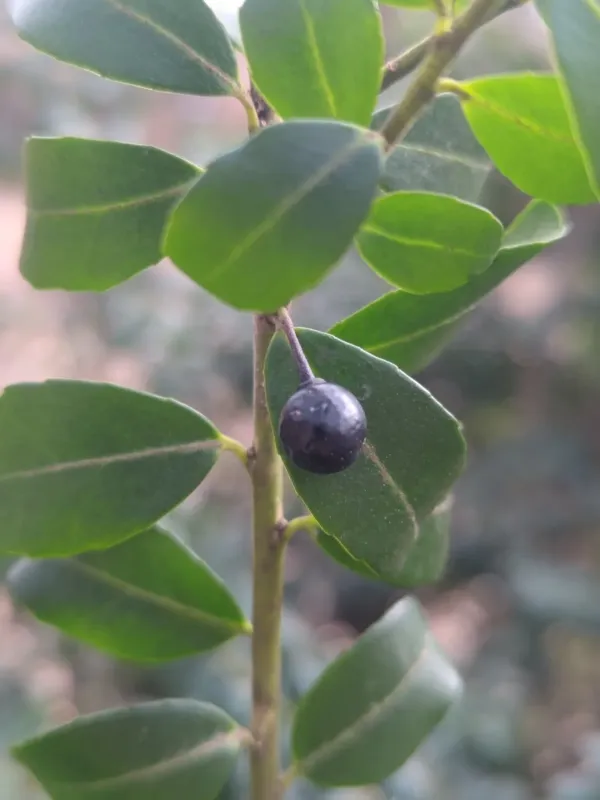
Japanese holly (Ilex crenata) is an evergreen shrub belonging to the Aquifoliaceae family. Native to East Asia, specifically Japan, Korea, and Taiwan, it is widely recognized for its dense, small-leaved structure that resembles boxwood, making it an excellent candidate for formal landscaping.
The plant thrives in well-drained, acidic, and humus-rich soils. It is highly intolerant of waterlogged conditions and alkaline soil, which often leads to poor growth and chlorosis. Ensuring the proper pH balance is a cornerstone of successful cultivation for this species.
Environmental requirements include a spot with partial shade or filtered sunlight. While it can withstand full sun in cooler regions with adequate moisture, protection from scorching midday heat is essential in hotter climates to prevent leaf damage.
Maintenance practices involve consistent irrigation to ensure the soil remains moist but not saturated. Because Ilex crenata has a relatively shallow root system, mulching is highly recommended to maintain ground moisture and stabilize soil temperatures during seasonal fluctuations.
As a versatile plant in horticultural use, it is prized for its high tolerance to pruning. It is frequently employed in creating hedges, foundation plantings, and intricate topiary designs, serving as a reliable structural element in contemporary garden layouts.
Main diseases and pests
Root rot is the most significant threat to the health of Japanese holly, usually caused by improper soil drainage or over-irrigation. Once the root system is compromised by fungal pathogens in stagnant water, the shrub often becomes difficult to restore.
Pests such as scale insects and spider mites are common concerns. These pests thrive in dry, stagnant conditions, making regular inspection of the foliage essential to detect infestations before they spread across the entire shrub canopy.
Nutrient deficiency, specifically iron chlorosis, frequently occurs if the soil pH is not maintained at an acidic level. This leads to the yellowing of leaves and significant stress, which necessitates the application of chelated iron or soil acidifiers.
Powdery mildew may develop in areas with high humidity and poor air circulation. Improving plant spacing and avoiding overhead irrigation during the late afternoon are effective strategies to prevent the proliferation of these fungal spores.
Integrated pest management and regular sanitary pruning are the primary defense mechanisms. By removing damaged or overcrowded branches annually, growers can ensure sufficient airflow, thereby minimizing the risk of both pest outbreaks and opportunistic fungal infections.