
Central Chinese hybrid holly
Ilex centrochinensis x ilex aquifolium
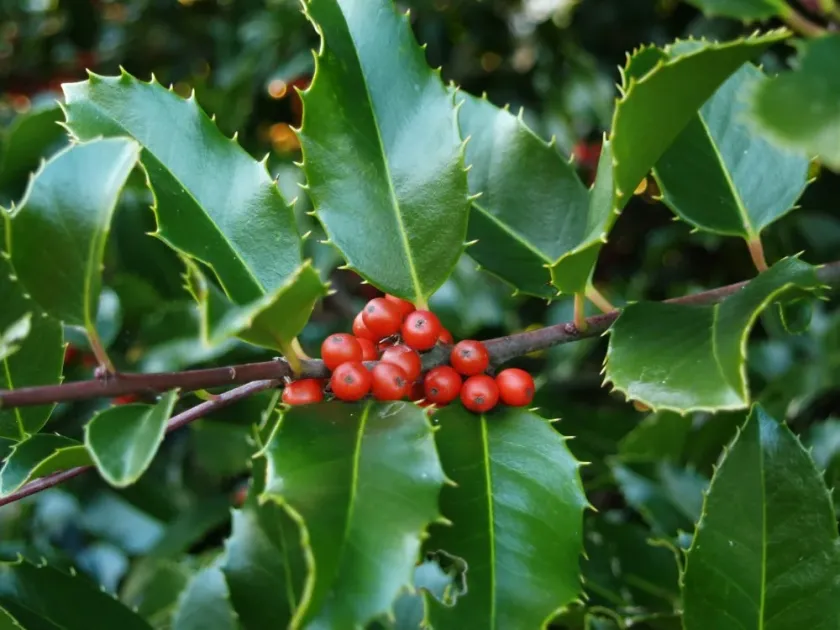
Description
Growing requirements
The Central Chinese hybrid holly is a deliberate cross between Ilex centrochinensis and Ilex aquifolium. As a member of the Aquifoliaceae family, this evergreen shrub is prized for its ornamental value and glossy foliage.
Cultivation requires well-draining, nutrient-rich soil with a slightly acidic to neutral pH level. Proper drainage is essential to prevent waterlogging, which the plant is highly sensitive to, especially in colder climates.
This hybrid thrives in partial shade or filtered sunlight. While it can tolerate full sun in cooler regions, it must be protected from scorching midday heat and desiccating winter winds to maintain leaf quality.
Consistent moisture is key for healthy development; however, the soil should not remain saturated. Applying a thick layer of organic mulch around the base helps regulate soil temperature and conserve essential soil moisture throughout the growing season.
Maintenance includes light pruning in the spring to promote bushier growth and shape the crown. Regular fertilization with a balanced, slow-release fertilizer during the onset of active growth supports the plant's structural health.
Main diseases and pests
Common pests affecting this holly variety include scale insects and whiteflies. Infestations should be managed with systemic insecticides or horticultural oils applied at the onset of symptoms during the growing season.
Powdery mildew represents a frequent fungal issue, often triggered by poor air circulation or overcrowding. Proper spacing during planting and thinning of the canopy help significantly reduce the risk of infection.
Leaf spot caused by Phyllosticta fungi can lead to premature leaf drop. Infected foliage must be removed and destroyed to prevent fungal spores from overwintering and reinfecting the shrub in the following season.
Phytophthora root rot is a severe condition associated with improper soil drainage. Once symptoms appear, it is difficult to treat, making preventative soil management the most important aspect of holly care.
Vigilance is necessary, particularly during spring and autumn. Regular monitoring and keeping the plant area clean of debris are effective strategies for maintaining a healthy and robust specimen.