
Central Chinese holly
Ilex centrochinensis S. Y. Hu
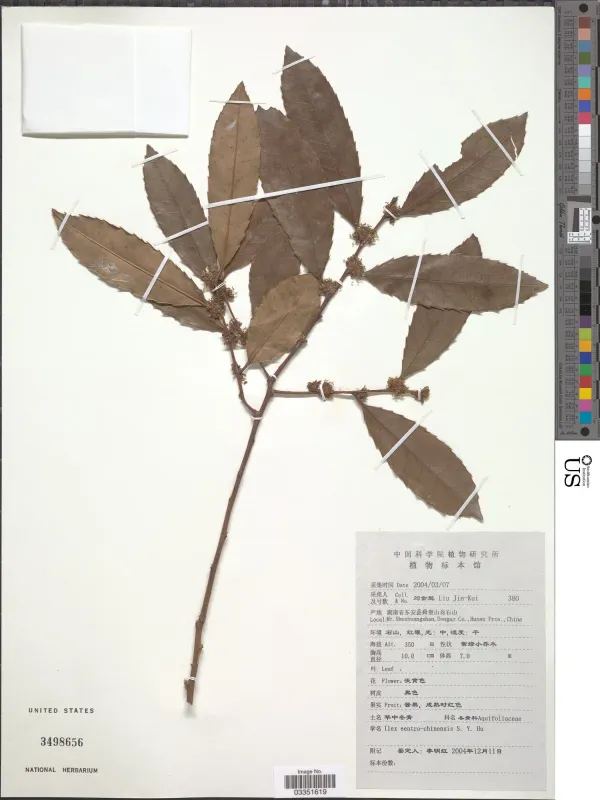
Description
Sowing dates
The Central Chinese holly (Ilex centrochinensis) is an evergreen species belonging to the Aquifoliaceae family. Native to the mountainous forest regions of Central China, it is highly valued for its dense foliage and ornamental appeal.
Commercial propagation is typically performed through seeds or stem cuttings. Seeds require a mandatory period of cold stratification to overcome dormancy and ensure successful germination rates.
Vegetative propagation involves taking semi-hardwood cuttings during the summer months. These cuttings are placed in a well-aerated propagation medium with high moisture retention to stimulate root formation.
Transplanting to the final site is best scheduled in early spring. This timing allows the plant to establish its root system before the onset of extreme temperature fluctuations in summer or winter.
Selecting an optimal planting site is essential for long-term growth. The plant thrives best in areas sheltered from strong, drying winds and excessive direct sunlight, mirroring its natural forest understory habitat.
Growing requirements
This species requires fertile, humus-rich soil with a neutral to slightly acidic pH. Efficient soil drainage is non-negotiable, as waterlogged conditions quickly lead to root decay.
While exhibiting moderate cold hardiness, the plant benefits from winter protection in climates outside its native range. Applying a layer of organic mulch around the root zone helps regulate soil temperature and moisture.
Optimal growth occurs in partial shade. While the species can tolerate sunnier positions, excessive exposure to midday heat can scorch leaves if atmospheric humidity is not maintained at high levels.
Consistent watering is vital, especially during the peak growing season. Growers should ensure the root ball remains moist but not saturated to maintain overall plant vigor.
Balanced fertilization applied in early spring supports healthy shoot development. Incorporating organic matter, such as compost, into the soil profile further enhances nutrient availability and soil structure.
Main diseases and pests
Scale insects are among the most common pests affecting Ilex species. They infest stems and branches, potentially causing stunted growth and chlorosis if left unmanaged.
Spider mites can become problematic during hot, dry weather. They thrive in low-humidity environments, damaging foliage and reducing the aesthetic value of the ornamental shrub.
Fungal diseases, such as leaf spot and powdery mildew, are common occurrences in poorly ventilated areas with high humidity. Proper spacing is necessary to facilitate air movement.
Root rot is a critical threat often caused by over-irrigation or heavy, poorly draining soils. Once established, this pathogen is difficult to control, often necessitating the removal of the plant.
Sanitary pruning is a fundamental practice in preventing disease spread. By removing dead or crowded wood, growers can maintain a healthier environment and detect potential pest issues earlier.