
Climbing hydrangea
Hydrangea scandens (L. f.) Ser.
Description
Growing requirements
Climbing hydrangea (Hydrangea scandens) is a woody deciduous vine belonging to the Hydrangeaceae family. Native to the woodlands of East Asia, this botanical species is highly valued for its natural ability to climb surfaces using aerial rootlets, making it an excellent candidate for vertical landscaping.
The plant thrives in partial to full shade, requiring locations that are protected from scorching direct sunlight. It prefers moist, rich, and well-draining soils with an acidic to slightly acidic pH, which is crucial for optimal nutrient uptake and overall plant vitality.
In terms of climate, it is notably hardy once established, though young specimens require protection from harsh winter winds and heavy frosts. Providing a stable structure is essential early on to encourage upward growth rather than sprawling across the ground.
Maintenance involves consistent irrigation, particularly during dry spells, as the plant's shallow root system is sensitive to drought. Applying organic mulch, such as pine bark or compost, helps to regulate soil temperature and maintain the acidic environment the plant requires.
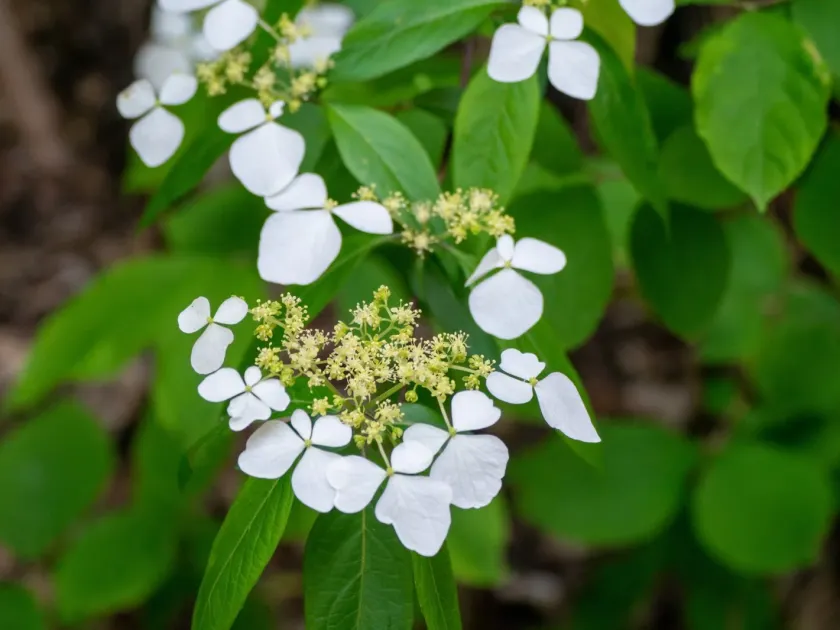
Beyond its use as a climbing wall cover, it can be utilized in woodland garden designs or as a groundcover in shaded areas. Its white, lacecap-like flower clusters provide significant ornamental value during the late spring and early summer months.
Main diseases and pests
Climbing hydrangeas are susceptible to fungal diseases such as powdery mildew and leaf spot, which are often triggered by high humidity levels and poor airflow around the foliage. Proper pruning and plant spacing can significantly mitigate these risks.
Chlorosis is a common physiological issue occurring when soil pH is too high, leading to iron deficiency. Regular soil testing and the application of iron chelates are recommended to maintain deep green leaf color and healthy growth.
Pests including spider mites can become problematic during hot and dry summer conditions, causing stippling or premature leaf drop. Regular monitoring of the underside of leaves is advised for early detection.
Aphids may infest new growth during the spring, which can be managed with insecticidal soaps or horticultural oils. Avoiding over-fertilization with nitrogen helps to keep succulent growth to a minimum, reducing aphid attraction.
Effective management strategies rely on integrated pest and disease control, focusing on environmental modification, such as improving drainage and airflow, alongside targeted chemical interventions when necessary.