
Panicled hydrangea
Hydrangea paniculata Siebold
Description
Growing requirements
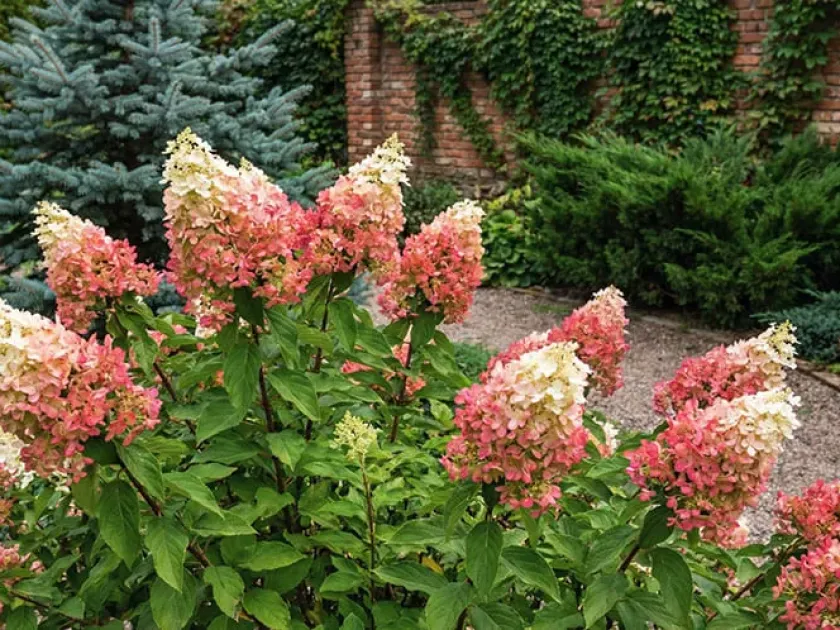
Panicled hydrangea (Hydrangea paniculata) is a deciduous woody shrub belonging to the Hydrangeaceae family, native to East Asia, including Japan and China.
The plant thrives in moist, well-draining, and acidic to neutral soils rich in organic matter, which supports the development of its characteristic large flower panicles.
It prefers sunny locations but tolerates partial shade, provided that the soil moisture levels are consistently maintained throughout the active growing season.
This species is highly regarded for its exceptional hardiness, making it a reliable choice for landscaping in temperate regions across the globe.
Successful cultivation requires regular mulching and specific fertilization programs to ensure the plant remains vigorous and resistant to physiological stressors.
Main diseases and pests
Common phytopathological issues include powdery mildew, Botrytis blight, and leaf spot diseases, which typically emerge under high humidity conditions.
Iron chlorosis, characterized by yellowing of the foliage while veins remain green, is a frequent issue when the soil pH rises above the optimal range for the species.
Insect pests such as aphids, mites, and scale insects can cause damage to tender shoots and reduce the overall ornamental quality of the shrub.
Preventative measures include maintaining adequate plant spacing to ensure airflow and using balanced nutrient management to avoid chemical imbalances.
Early identification of pest infestations allows for targeted treatment, which is essential to protect the decorative value of the hydrangea panicles.
Harvesting
For fresh use in arrangements, stems should be harvested when the fertile flowers are fully open and the foliage is well-hydrated to ensure a long vase life.
Dried hydrangea blooms are collected later in the season when the flowers have naturally started to harden and change color, which helps preserve their structure.
Pruning is a fundamental aspect of hydrangea management, usually performed in late winter or early spring to encourage the growth of new, sturdy flowering shoots.
The intensity of pruning directly affects the size of the flower panicles, with harder pruning often leading to larger but fewer flower heads on the shrub.
Clean and sterile tools are vital during pruning to prevent the transmission of wood-rotting fungi or other pathogens into the main branches of the plant.