
Bigleaf hydrangea
Hydrangea macrophylla (Thunb.) Ser. x H. scandens (L. f.) Ser.
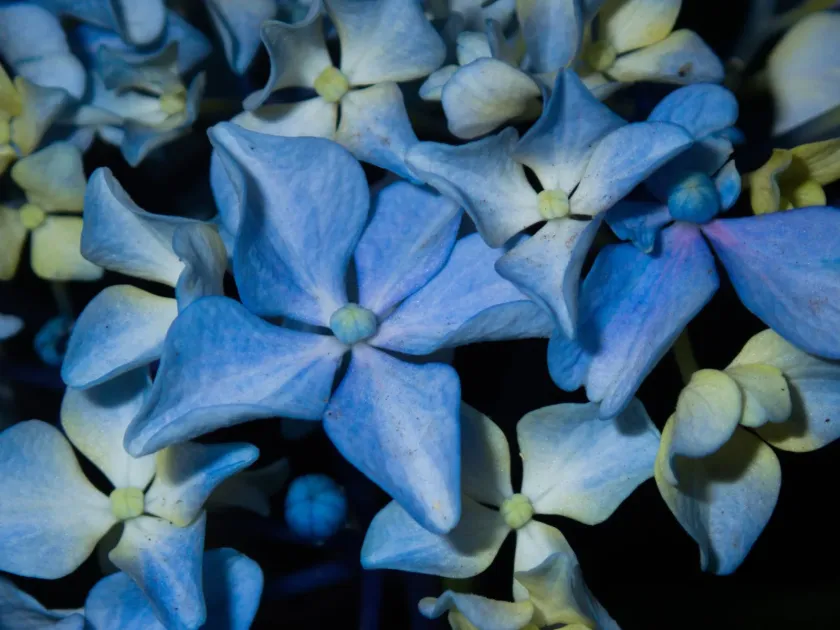
Description
Growing requirements
Bigleaf hydrangea (Hydrangea macrophylla) is a popular perennial shrub belonging to the Hydrangeaceae family. Native to Japan and China, this species is widely cultivated globally for its impressive, large globular or lacecap flower heads.
This crop thrives in fertile, well-draining soils with a slightly acidic to acidic pH. The soil acidity is a critical factor for cultivation, as it directly dictates whether the flowers will display pink, purple, or deep blue hues.
Hydrangea macrophylla requires consistent moisture to remain healthy and vibrant. It is essential to maintain regular irrigation schedules, especially during high-temperature months, to prevent the soil from drying out completely.
The plant performs best in partial shade, where it is shielded from intense afternoon sunlight. Exposure to direct harsh sun can cause scorched foliage and dehydration, significantly reducing the aesthetic value and vitality of the plant.
Proper winter protection is vital for most cultivars in temperate zones. Because these shrubs bloom on old wood, it is necessary to protect the dormant buds from frost damage to ensure a successful flowering season the following year.
Main diseases and pests
Chlorosis is a frequent issue typically caused by iron deficiency or overly alkaline soil. This condition manifests as yellowing of the leaf tissue while the veins remain green, indicating that the plant cannot properly photosynthesize.
Fungal diseases like powdery mildew are common in environments with poor air circulation and high humidity. These infections cause a white, dusty growth on leaves, which can stunt development if left untreated.
Spider mites and aphids are the most prevalent pests affecting this hydrangea species. They thrive in hot, dry weather and can cause severe damage by sucking sap from the leaves, leading to wilting and reduced vigor.
Root rot, often caused by waterlogged conditions or fungal pathogens in the soil, poses a significant threat. Ensuring adequate drainage is the primary defense strategy to prevent the loss of the root system.
Effective management includes regular sanitation, such as removing fallen leaves and pruning diseased branches, combined with appropriate applications of fungicides and insecticides as part of an integrated pest management plan.