
Bigleaf hydrangea
Hydrangea macrophylla (Thunb.) Ser.
Description
Growing requirements
Bigleaf hydrangea (Hydrangea macrophylla) is a perennial shrub belonging to the Hydrangeaceae family. Native to the subtropical regions of East Asia, this ornamental plant is widely cultivated for its large, spherical or lace-cap flower heads that are highly prized in horticulture and landscaping.
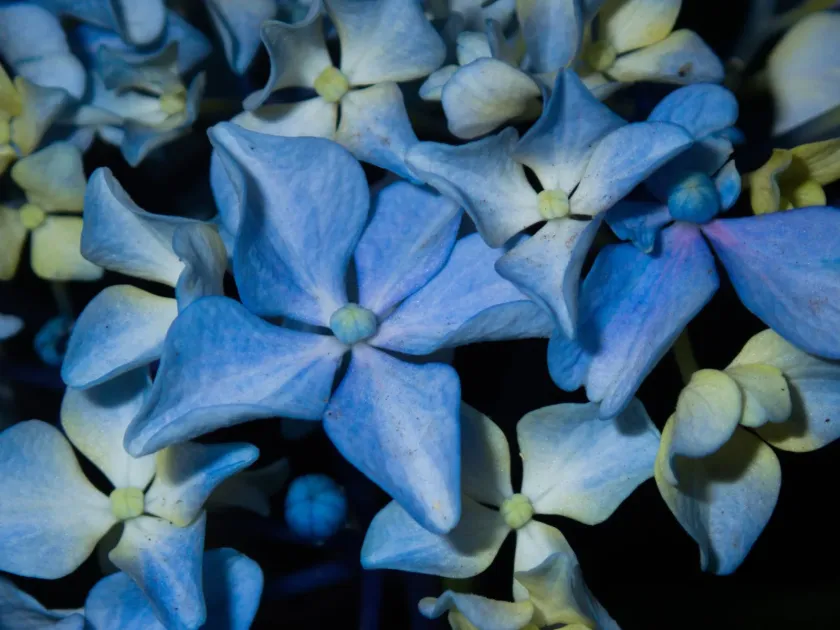
This crop requires nutrient-rich, acidic soil to thrive. The soil pH is critical for this species: a lower pH (acidic) results in blue flowers, while higher pH (alkaline) typically produces pink blooms. Proper drainage is essential, as the plant demands consistent moisture but cannot tolerate waterlogged roots.
The climate requirements for Hydrangea macrophylla focus on protection from extreme conditions. It grows best in partial shade, where it is shielded from the harsh afternoon sun that can cause foliage scorch. In colder climates, winter protection is mandatory to prevent damage to the flower buds formed on the previous year's growth.
Agronomic management involves regular irrigation and targeted fertilization. Using specialized fertilizers designed for acid-loving plants ensures that the hydrangea receives essential micronutrients. Mulching is recommended to maintain soil moisture and protect the root zone from temperature fluctuations.
The commercial utility of bigleaf hydrangea is significant in the ornamental plant trade. It is used extensively for garden design, patio containers, and as a floral crop. Its ability to provide vibrant colors in the garden makes it a staple for high-value horticulture production.
Main diseases and pests
Powdery mildew is a common fungal disease affecting Hydrangea macrophylla, especially in environments with poor airflow and high humidity. It manifests as a white, powdery coating on leaves and stems, significantly reducing the plant's aesthetic value.
Chlorosis is a frequent physiological disorder caused by iron deficiency, often resulting from high soil pH. The symptoms include yellowing of the leaves while the veins remain green, indicating that the plant is unable to effectively synthesize chlorophyll.
Pest pressures include spider mites, which thrive in hot and dry conditions, and aphids that cluster on tender growth. Both pests cause structural damage and can act as vectors for secondary viral infections if left untreated.
Effective pest and disease management requires a combination of monitoring and intervention. Using biological controls or systemic pesticides is recommended when pest populations reach economic injury levels, ensuring that the plant remains healthy throughout the growing season.
Maintaining proper cultural conditions remains the most effective defense. Proper spacing between plants, balanced feeding schedules, and regular sanitation (removing dead or diseased foliage) contribute to a robust plant immune system and long-term vitality.