
Hydrangea luteovenosa
Hydrangea luteovenosa Koidz.
Description
Growing requirements
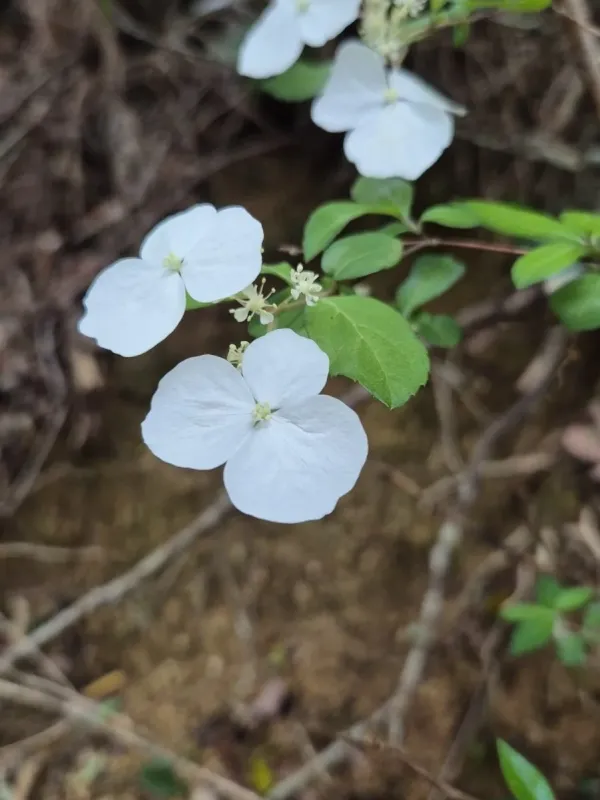
Hydrangea luteovenosa is an attractive shrub belonging to the Hydrangeaceae family. Native to Japan, it is prized by botanical enthusiasts for its distinct foliage, featuring prominent yellowish veins that contrast with the green leaf blade.
As a forest-dwelling species, this plant thrives in temperate climates with high atmospheric humidity. It performs best when planted in partially shaded areas protected from the scorching afternoon sun, which can cause leaf desiccation.
The cultivation requirements focus heavily on the substrate composition. These plants demand acidic, well-draining soil rich in organic matter. They are highly sensitive to alkaline conditions, which often result in iron deficiency and leaf chlorosis.
Proper water management is essential for this shrub. Regular moisture is required throughout the growing season, but the soil should never become waterlogged. Mulching is highly recommended to stabilize soil temperature and prevent rapid moisture evaporation.
In terms of landscaping, this hydrangea is ideal for woodland gardens or as a focal point in shade-tolerant plant beds. Its unique appearance makes it a collector's item for those interested in exotic Hydrangea species.
Main diseases and pests
The primary threats to Hydrangea luteovenosa involve fungal pathogens, particularly in humid environments. Powdery mildew and leaf spot diseases are common, requiring good air circulation and localized fungicidal treatments for effective control.
Spider mites are the most persistent pest for this species, especially during hot and dry spells. They thrive on the undersides of leaves, causing discoloration and eventual drop; regular misting and mite-specific pesticides can mitigate these infestations.
Aphids can cause significant damage to tender new shoots. While their damage is primarily cosmetic, high populations can stunt growth and transmit viral diseases to the shrub, necessitating quick action with systemic insecticides.
Root health is vital, and the plant is susceptible to various soil-borne pathogens like Phytophthora if drainage is inadequate. Ensuring that the planting site or container has excellent drainage is the best preventative measure against root rot.
Environmental stress, such as frost or extreme heat, can weaken the plant's natural defense mechanisms. Providing proper protection during severe weather is essential to keeping the shrub healthy and resistant to opportunistic pests and infections.