
Hydrangea integrifolia
Hydrangea integrifolia Hayata
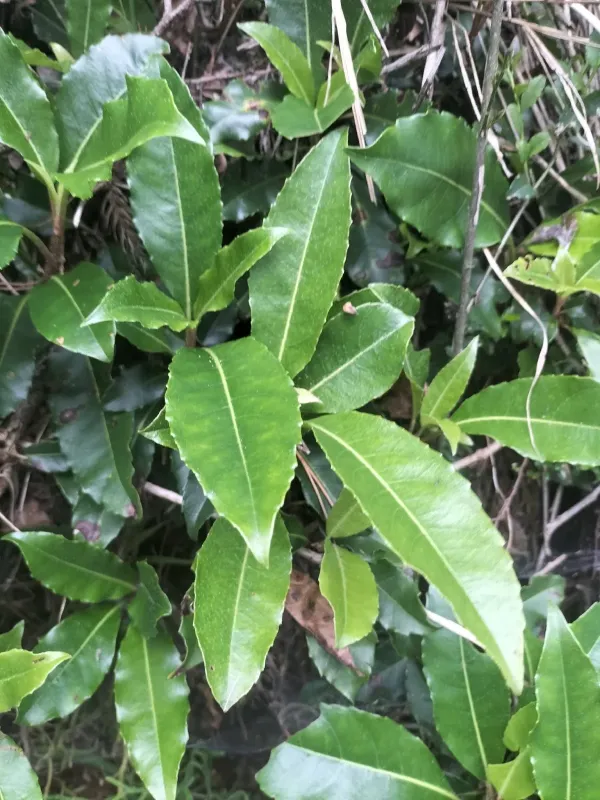
Description
Growing requirements
Hydrangea integrifolia belongs to the Hydrangeaceae family and is recognized as an evergreen climbing vine that uses aerial roots to ascend trees or trellises. It is an ornamental plant valued for its lush foliage and distinct growth habit.
Originating from the mountainous forests of Taiwan and the Philippines, this species thrives in humid, temperate to subtropical climates. Its natural habitat is characterized by filtered light and consistent moisture levels throughout the year.
Optimal growth is achieved in well-draining, humus-rich soil with a strongly acidic to slightly acidic pH. The root zone should be kept cool and moist, making the application of organic mulch highly beneficial for long-term health.
The plant requires a sheltered location with partial shade, avoiding harsh direct sunlight that can cause leaf scorching. Given its sensitivity to cold, it is best suited for regions with mild winters or indoor greenhouse environments.
Routine maintenance includes consistent irrigation with lime-free water and balanced fertilization during the active growing season. Pruning should be performed sparingly to maintain the desired structure, focusing on the removal of dead or crossing branches.
Main diseases and pests
Common pests include spider mites and aphids, which are particularly active during periods of low humidity or when the plant is kept in confined, poorly ventilated indoor spaces.
Fungal pathogens such as powdery mildew may affect the foliage if air circulation is insufficient, leading to reduced aesthetic appeal and weakened plant vigor.
Iron chlorosis is a frequent nutritional issue, often occurring when the soil pH rises above the optimal range, preventing the efficient uptake of essential nutrients.
Integrated pest management strategies should be employed, utilizing horticultural oils for mild infestations and systemic fungicides only when strictly necessary.
Preventative care is centered on balancing environmental factors, such as providing consistent moisture and ensuring the plant is not subjected to rapid temperature fluctuations.