
Hybrid Chinese and Bigleaf Hydrangea
Hydrangea chinensis Maxim. x Hydrangea macrophylla (Thunb.) Ser.
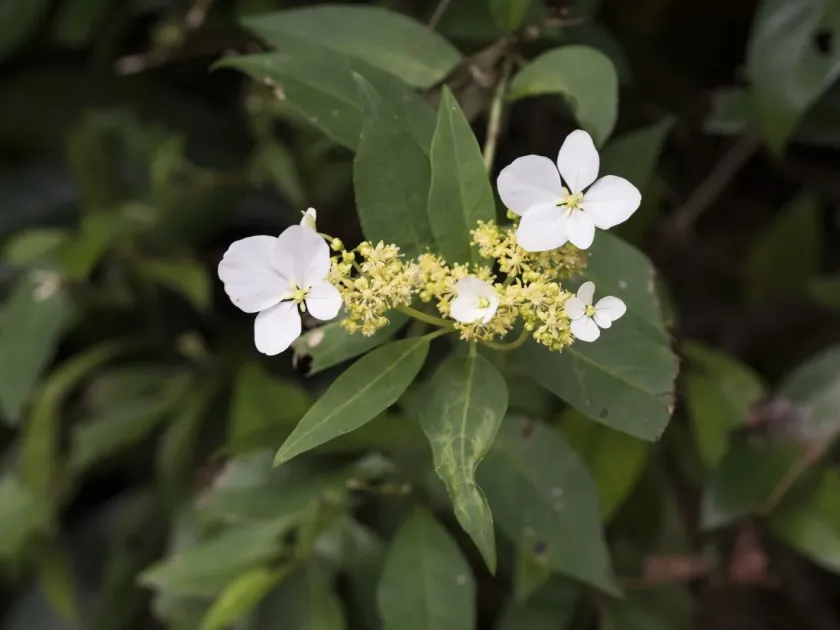
Description
Growing requirements
The hybrid hydrangea, a cross between Hydrangea chinensis and Hydrangea macrophylla, is a striking ornamental shrub belonging to the Hydrangeaceae family. It is prized in modern horticulture for its dense foliage and vibrant inflorescences that can change color based on soil pH.
The culture thrives in partial shade environments, as direct sunlight can cause significant damage to the leaves. It requires a stable climate with consistent moisture levels and protection from harsh, dry winds which often cause dehydration in young specimens.
Soil requirements are strict: the medium must be acidic (pH 5.0–6.0), rich in organic matter, and possess excellent drainage capabilities. Growers often amend the soil with peat or pine bark to maintain the acidity necessary for optimal growth and nutrient uptake.
Regarding climate, the plant requires protection during the dormant winter period, especially in colder hardiness zones. Since floral buds are often set on the previous year's growth, safeguarding these shoots is crucial for successful blooming in the following season.
Agrotechnical maintenance focuses on consistent irrigation with soft water and careful mulching. Applying organic mulch around the base of the plant helps retain soil moisture, suppresses weeds, and maintains a cooler root temperature throughout the hot summer months.
Main diseases and pests
Powdery mildew is a primary threat to hybrid hydrangeas, especially in humid and poorly ventilated conditions. Management involves using systemic fungicides and ensuring that the planting density allows for adequate air circulation between shrubs.
Iron chlorosis is frequently observed when the soil pH rises too high, making iron unavailable to the plant. This is corrected by adding chelating agents and utilizing sulfur-based soil amendments to lower the pH levels back to the required range.
Spider mites and aphids are the most common pests affecting this culture. Early detection is key; gardeners should regularly inspect the undersides of leaves and use insecticidal soaps or horticultural oils to manage populations effectively.
Gray mold, caused by Botrytis, can infect flowers during periods of prolonged rainfall. Removing infected parts of the plant and maintaining good hygiene in the garden are essential practices to stop the spread of the pathogen.
Root rot, often caused by stagnant water, is a serious threat. It is imperative to ensure that the potting mix or garden soil is loose enough to allow excess water to drain away, preventing anaerobic conditions that suffocate the root system.