
Chinese hydrangea
Hydrangea chinensis Maxim.
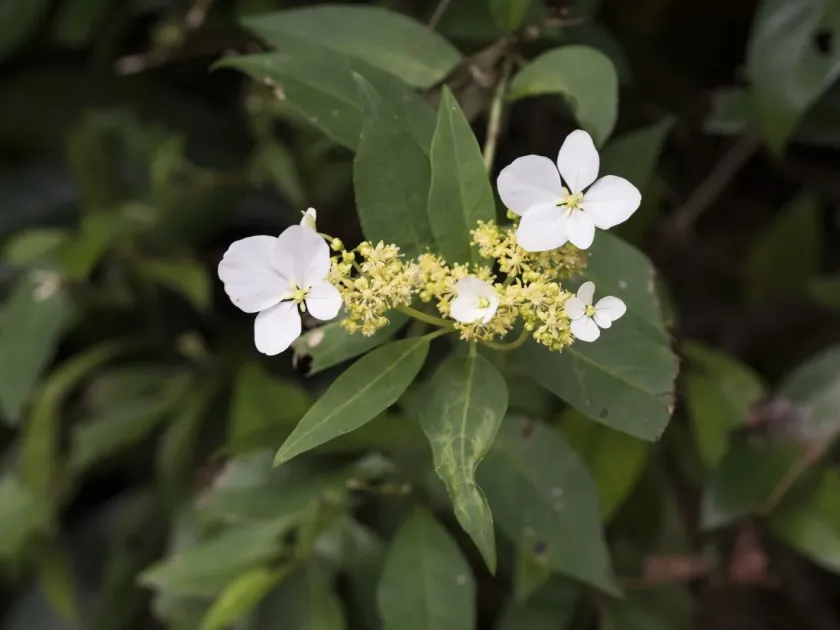
Description
Growing requirements
Hydrangea chinensis is a deciduous or semi-evergreen shrub belonging to the Hydrangeaceae family. Native to the subtropical regions of China, this species is highly valued for its refined growth habit and lush foliage.
The plant thrives in partial shade conditions, mimicking the natural understory environment of its forest habitat. Avoiding direct, harsh sunlight is crucial to prevent leaf scorching and to maintain the vibrant color of the plant.
Soil requirements for this species are specific, preferring acidic, well-draining, and organic-rich soil. It is essential to ensure that the pH level is monitored, as the plant struggles in alkaline soils which often lead to nutrient deficiencies.
Maintaining consistent soil moisture is a fundamental requirement for the healthy development of Chinese hydrangea. Mulching around the base can help retain moisture and protect the shallow root system from temperature fluctuations.
Proper cultivation includes regular pruning after the flowering season to encourage new growth. Providing a balanced fertilizer designed for acid-loving plants will ensure a robust and healthy blooming period.
Main diseases and pests
The most common disease affecting Hydrangea chinensis is chlorosis, characterized by yellowing leaves due to iron deficiency. This is often corrected by acidifying the soil or applying chelated iron supplements.
Fungal infections, such as powdery mildew and grey mold, are prevalent in areas with high humidity and poor airflow. Managing plant density and using appropriate fungicides are effective ways to mitigate these risks.
Pests like spider mites and aphids are known to target the tender shoots and undersides of the leaves. These pests are particularly active during warm, dry spells and require prompt intervention to prevent stunted growth.
To keep the plants healthy, it is recommended to inspect the foliage regularly for signs of infestation or fungal activity. Early detection allows for more effective biological or chemical control measures.
Sanitation practices, including the removal of dead or diseased plant tissue, play a vital role in preventing the recurrence of pests and diseases in the garden environment.