
Rough-leaved hydrangea hybrid
Hydrangea aspera x Hydrangea integrifolia
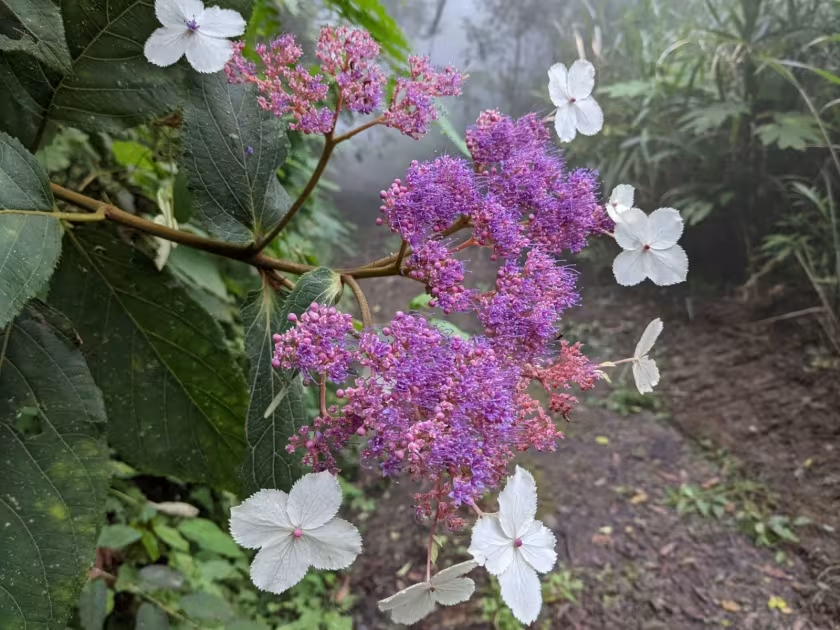
Description
Growing requirements
The rough-leaved hydrangea hybrid, derived from Hydrangea aspera and Hydrangea integrifolia, belongs to the Hydrangeaceae family. This ornamental shrub is valued for its unique foliage and distinct inflorescence patterns.
Cultivation requires semi-shaded locations where the plant is protected from intense afternoon sun. Exposure to harsh sunlight can cause leaf scorching and dehydrate the shrub during peak summer temperatures.
The ideal growing medium is a rich, well-draining soil with an acidic to neutral pH. Incorporating organic amendments such as peat moss or compost helps maintain the necessary nutrient levels and moisture retention.
Watering management is crucial for the health of this hybrid. The soil should remain consistently moist throughout the growing season, necessitating regular hydration during dry spells to prevent wilting.
Winter protection is recommended in regions with freezing temperatures. A thick layer of mulch around the base and protective fabric covers can prevent frost damage to the roots and tender stems.
Main diseases and pests
Common plant diseases affecting this hybrid include powdery mildew and gray mold, which often emerge when airflow is restricted or humidity levels become excessively high.
Chlorosis, indicated by yellowing leaves with green veins, typically points to iron deficiency caused by an incorrect soil pH balance, which prevents proper nutrient uptake.
Pests such as aphids and spider mites can colonize the foliage, leading to stunted growth and reduced ornamental value if left untreated throughout the season.
Integrated pest management strategies, including the use of neem oil or targeted insecticides, are effective in controlling insect populations when detected early.
To ensure longevity, gardeners should perform regular inspections for signs of decay and remove infected branches immediately to prevent the spread of fungal pathogens.