
Hybrid Sage
Hybrids between Salvia guaranitica and S. splendens
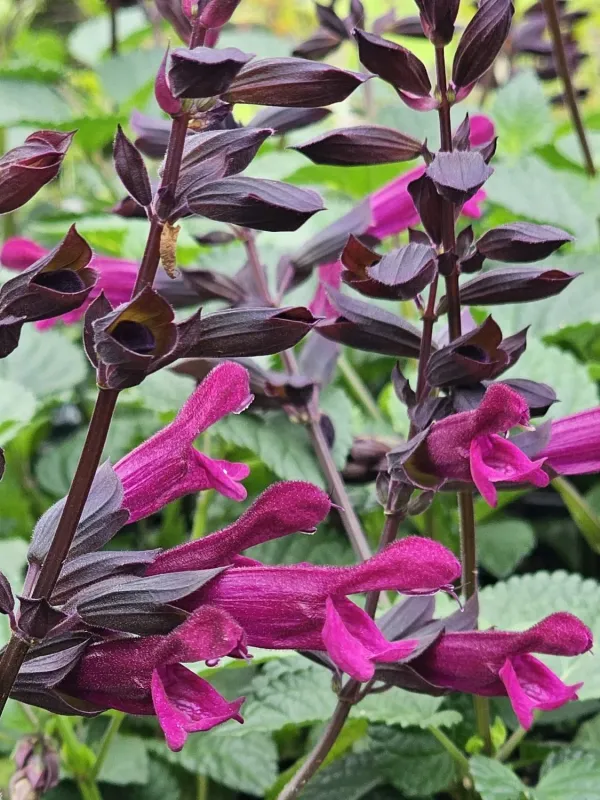
Description
Sowing dates
Hybrid Sage, stemming from the cross-breeding of Salvia guaranitica and Salvia splendens, is primarily propagated through vegetative cuttings to ensure the consistency of desirable characteristics found in F1 hybrids.
Transplanting into the garden should only occur once all danger of frost has passed, as these plants are highly sensitive to sudden drops in temperature during the early growth phase.
The ideal planting time is late May, allowing the plants to establish a strong root system in warm soil before the peak heat of the summer season arrives.
If starting from seeds, use a high-quality, sterile seed-starting mix. Sow seeds on the surface, as they require light to germinate, and maintain a consistent temperature of around 22 degrees Celsius.
Hardening off the plants is a crucial preparatory step. Gradually exposing them to outdoor conditions over a ten-day period significantly reduces transplant shock and ensures better survival rates.
Growing requirements
Belonging to the Lamiaceae family, this hybrid thrives in full sun, which is necessary to trigger its vibrant flower production and maintain a compact, healthy growth habit.
The soil must be well-drained and fertile. Adding organic matter, such as aged manure or compost, before planting helps to improve the structure and water-holding capacity of the soil.
Hybrid Sage prefers a slightly acidic to neutral soil pH. Maintaining a pH balance between 6.0 and 7.0 is optimal for the efficient uptake of essential microelements.
Consistent irrigation is vital during the establishment phase. Once mature, the plants are moderately drought-tolerant, but they perform significantly better with regular watering during dry spells.
Adequate spacing, generally 30 to 45 centimeters apart, is essential to prevent overcrowding, which can lead to poor air circulation and increased susceptibility to fungal diseases.
Yield
The commercial and aesthetic value of Hybrid Sage lies in its exceptional blooming period, which can extend from early summer until the first heavy frosts of autumn.
These plants are highly valued in professional landscaping for their ability to form dense, colourful displays that provide continuous visual interest without needing frequent replacement.
A well-maintained plant can produce numerous flowering spikes, with the intensity of the bloom being directly correlated to sunlight exposure and proper nutrient management.
Regular deadheading—the removal of spent flower spikes—encourages the plant to divert its energy into producing new buds, effectively increasing the total duration of the floral display.
As a robust nectar source, Hybrid Sage supports local pollinator populations, making it an excellent addition to ecologically conscious garden designs and sustainable landscapes.
Main diseases and pests
Fungal issues, particularly powdery mildew and gray mold, represent the primary health threats to the plants, usually manifesting during periods of high humidity or poor airflow.
Pests such as aphids and spider mites can colonize the tender tips of the stems, sucking plant fluids and causing stunted or deformed growth patterns.
Integrated pest management should be employed, starting with cultural practices like removing weeds and avoiding overhead watering, which keeps the foliage dry.
When chemical intervention is required, select products that are specific to the pest or disease to avoid harming beneficial insects like bees and butterflies.
- Ensure adequate sunlight to prevent disease development.
- Prune affected stems immediately to stop the spread of fungi.
- Monitor for signs of infestation on a weekly basis during the growing season.
Harvesting
For floral arrangements, harvest the stems in the early morning while they are fully hydrated. Select spikes where approximately half of the flowers are open for the longest vase life.
If harvesting for ornamental drying, pick the spikes at the height of their color intensity and hang them upside down in a dark, well-ventilated area until completely dry.
At the end of the season, perform a thorough cleanup of the garden bed. Cut the plants back significantly to prepare the root crown for winter protection.
In colder climates where the plant may not be winter-hardy, consider digging up the roots and storing them in a cool, dark location, similar to dahlia or canna lilies.
Always sanitize your gardening tools after handling diseased plants to prevent the transmission of pathogens to healthy parts of the garden in the following season.