
Hybrids of Ilex crenata, Ilex x aquipernyi and Ilex rugosa
Hybrids between Ilex crenata, Ilex x aquipernyi and Ilex rugosa
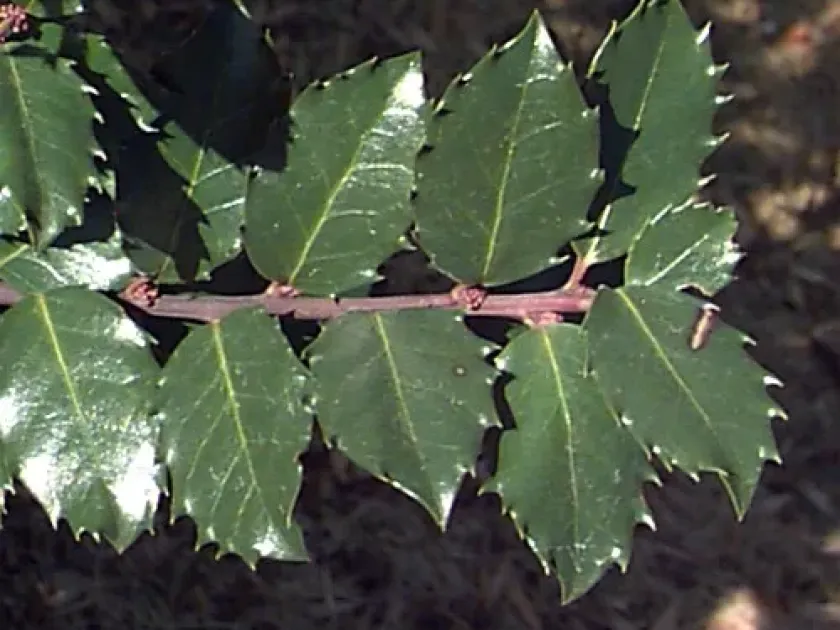
Description
Growing requirements
These interspecific hybrids of holly (family Aquifoliaceae) result from breeding programs aiming to combine the cold hardiness of Ilex rugosa, the elegant foliage of Ilex aquipernyi, and the dense, compact habit of Ilex crenata. These evergreen shrubs represent a valuable addition to ornamental gardening.
The culture thrives in fertile, well-draining soils with an acidic pH range of 5.0 to 6.5. Good drainage is essential, as these plants are sensitive to waterlogging, which can quickly lead to root rot. Incorporating pine bark or peat into the soil mix helps maintain optimal acidity.
Site selection is critical for success; these hybrids prefer sheltered positions with dappled sunlight or partial shade. While they can tolerate some sun, excessive exposure during winter months when the soil is frozen can lead to winter burn, so protection from desiccating winds is recommended.
Cultural practices include consistent watering during dry spells and the application of fertilizers formulated for acid-loving plants. Annual mulching is highly beneficial, helping to suppress weeds, retain moisture, and regulate soil temperature around the root zone.
Their primary use is ornamental. Due to their slow growth rate and excellent response to pruning, these hybrids are favored for hedges, topiary art, and formal landscape designs where structure and year-round green foliage are desired.
Main diseases and pests
Common diseases include fungal leaf spots and root rots. Preventing excessive moisture around the root zone is the most effective way to manage these risks.
Pest issues often involve scale insects, which can weaken the plant and cause soot mold buildup. Periodic inspection and systemic insecticide treatments are standard control methods.
Spider mites can be problematic in dry, hot weather. Maintaining humidity via foliage misting or localized watering helps keep mite populations under control.
Iron chlorosis is a common deficiency symptom characterized by yellowing leaves between the veins. Correction involves soil acidification or foliar sprays with chelated iron.
Physical damage from freezing temperatures can cause shoot dieback. Providing winter protection in colder regions is essential for maintaining a healthy and dense plant structure.