
Helleborus x ericsmithii hybrid
hybrids between Helleborus x ericsmithii B. Mathew and Helleborus x hybridus hort. ex Voss
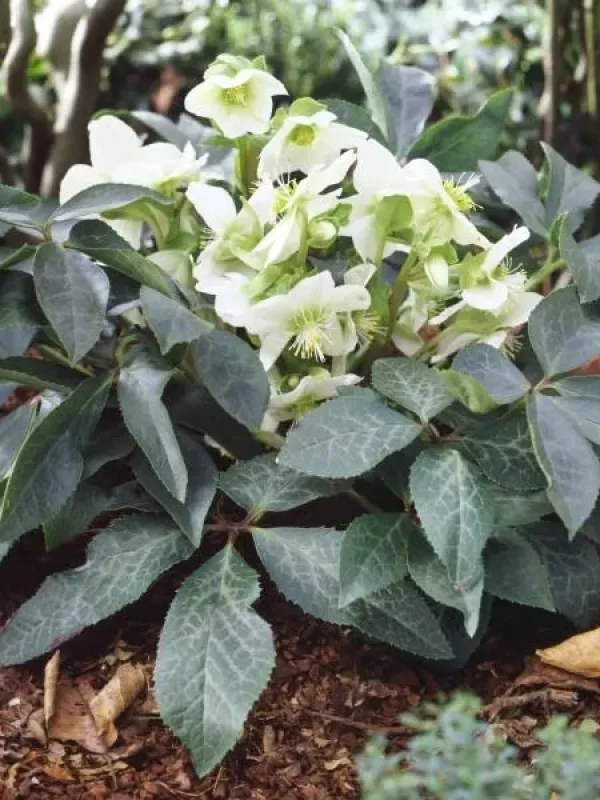
Description
Growing requirements
Helleborus x ericsmithii hybrid is a distinct group within the Ranunculaceae family, created through cross-breeding between Helleborus x ericsmithii and Helleborus x hybridus. These plants are prized for their exceptional winter hardiness and evergreen foliage.
These hybrids require partial shade conditions, mimicking their natural woodland habitats. The ideal soil should be rich in organic matter, slightly alkaline, and provide excellent drainage to prevent root zone suffocation.
Climatic adaptability is one of their strengths, as they are capable of withstanding frost and snow while maintaining their structural integrity. However, extreme summer heat can cause physiological stress.
Agricultural use focuses primarily on ornamental horticulture, including container production and landscape design. Their ability to bloom in late winter makes them highly valuable for early-season floral markets.
Maintenance involves routine tasks such as removing senescent leaves after flowering, applying mulching to retain moisture, and providing balanced NPK fertilization in early spring.
Main diseases and pests
The primary pathogenic threat is Coniothyrium hellebori, which causes leaf spot disease. This fungus spreads rapidly in humid environments and can severely impact the decorative value of the plant.
Root rot pathogens, such as Pythium and Phytophthora, pose a major risk when soil drainage is insufficient. Growers must monitor soil moisture levels strictly.
Insect pests, including aphids and leaf miners, often target new vegetative growth. Systemic insecticides are typically employed if biological control methods prove ineffective.
Gastropods such as slugs and snails are significant threats to young leaves and inflorescences. Physical barriers and baits are standard control measures in field production.
Maintaining proper spacing between plants is crucial to ensure adequate airflow, which is a key agronomic factor in reducing the incidence of foliage-based diseases.