
Hybrids of Helleborus niger and Helleborus atrorubens
Hybrids between Helleborus atrorubens and Helleborus niger
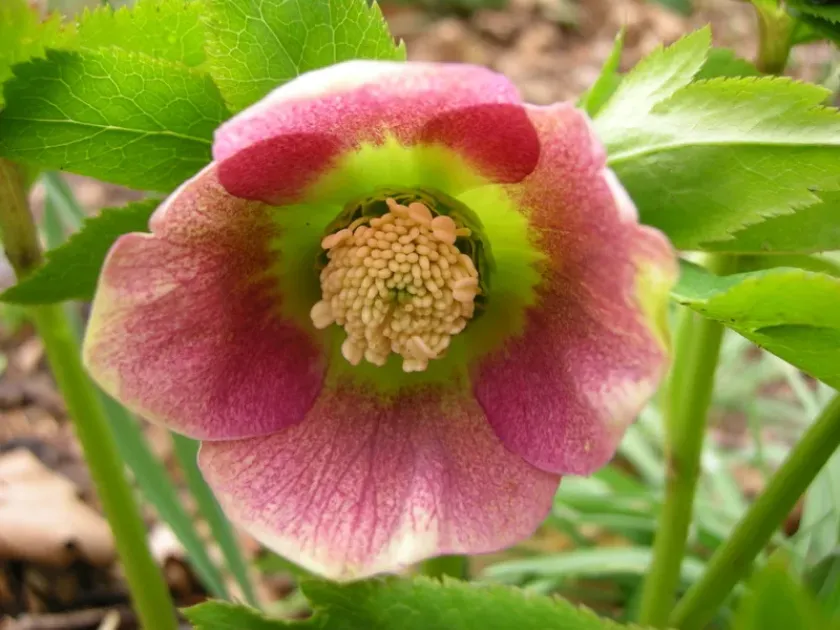
Description
Growing requirements
These hybrids are decorative perennials belonging to the Ranunculaceae family, combining the cold hardiness of Helleborus niger with the unique flower coloration of Helleborus atrorubens. They are highly valued in landscape design for their early blooming period and robust growth habit.
The ideal planting site should offer partial shade, mimicking the forest floor environment where these species originate. Protection from harsh winds and intense mid-day sun is crucial to maintain the aesthetic quality of the foliage throughout the active season.
Soil requirements are specific: the culture prefers rich, loamy soils with excellent drainage and a neutral to slightly alkaline pH level. Ensuring the soil is humus-rich will promote vigorous rhizome development and long-term plant longevity.
Cultural practices include consistent watering during dry spells, particularly in the spring when energy is directed toward flower production. Mulching with organic material helps maintain soil moisture levels and provides a steady supply of nutrients as it decomposes.
In terms of climate, these hybrids are well-adapted to temperate regions. They possess high cold tolerance and can emerge from dormancy as soon as the soil begins to thaw, making them a cornerstone for early-season garden interest.
Main diseases and pests
Leaf spot caused by various fungi is the most prevalent disease affecting these hybrids. It appears as dark, necrotic patches on the leaves, which can lead to premature defoliation if left untreated, necessitating the removal of infected tissue to slow disease spread.
Root rot is a significant threat typically associated with poor drainage and excessive moisture retention in the root zone. Prevention relies on proper soil preparation and careful monitoring of irrigation to avoid waterlogging the plant's crown and roots.
Aphids are the primary insect pests, often clustering on developing flower buds and succulent young leaves. Their feeding weakens the plant and can transmit viral diseases, so chemical or insecticidal soap applications should be considered upon infestation.
Gastropods, such as slugs and snails, cause significant physical damage to the leaves during damp weather. Using barriers or non-toxic baits around the plant base is a standard and effective management strategy for organic garden maintenance.
General hygiene, including clearing debris and providing adequate spacing for airflow, is essential for maintaining plant health. Regular inspections ensure that any signs of stress or pest pressure are addressed before they become systemic problems.