
Hybrids of Grevillea rosmarinifolia and Grevillea alpina
Hybrids between Grevillea rosmarinifolia and Grevillea alpina
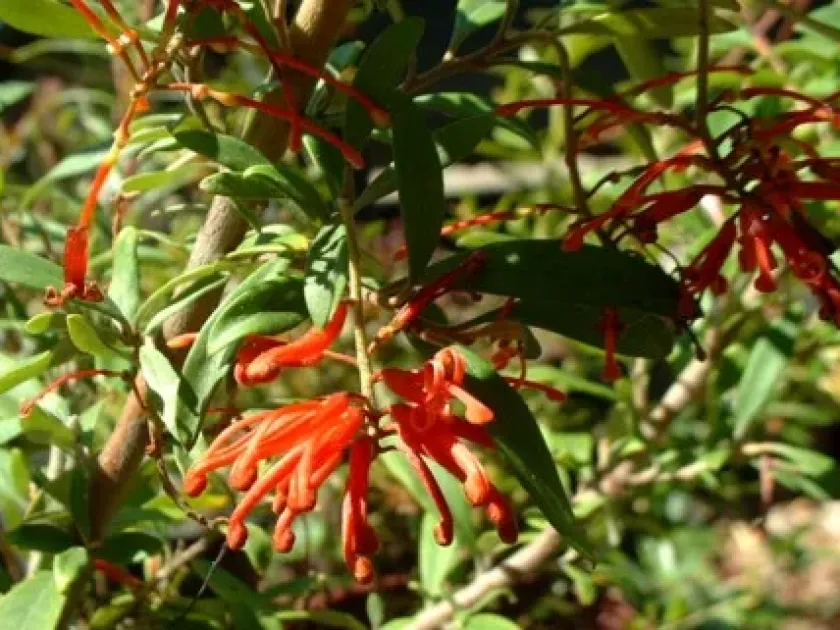
Description
Growing requirements
These hybrids are highly prized ornamental shrubs belonging to the Proteaceae family, developed from the hybridization of Grevillea rosmarinifolia and Grevillea alpina. They are known for their needle-like evergreen foliage and intricate, brush-like flowers that attract birds and pollinators.
Successful cultivation requires soil with excellent drainage; these plants are highly intolerant of waterlogged conditions. Sandy or gravelly soils with a low to neutral pH are preferred to simulate the native habitat of these drought-tolerant Australian species.
The hybrids perform best in full sun, which promotes dense growth and abundant flowering. They are moderately hardy, generally surviving light frosts, but in regions with harsh winters, protection or greenhouse cultivation is strictly necessary to prevent severe cold damage.
Maintenance involves minimal intervention, though regular pruning after flowering helps maintain a compact, bushy habit. It is critical to avoid fertilizers containing phosphorus, as members of the Proteaceae family have specialized root structures that can be harmed by high levels of this nutrient.
In landscaping, they are widely used for hedging, rock gardens, and as specimen plants. Their ecological value is significant, as they provide nectar for nectar-feeding birds and beneficial insects throughout the blooming season.
Main diseases and pests
The most common biological threats include Phytophthora root rot, usually triggered by poor drainage or overwatering. Maintaining a strict irrigation schedule and preventing water accumulation around the root crown is the most effective preventative measure.
Pests such as scale insects and mealybugs can occasionally infest the stems and leaves, particularly when plants are grown in confined environments. Regular inspection and the application of horticultural oils or systemic insecticides help manage these populations effectively.