
Grevillea alpina x Grevillea lavandulacea
Grevillea alpina x Grevillea lavandulacea
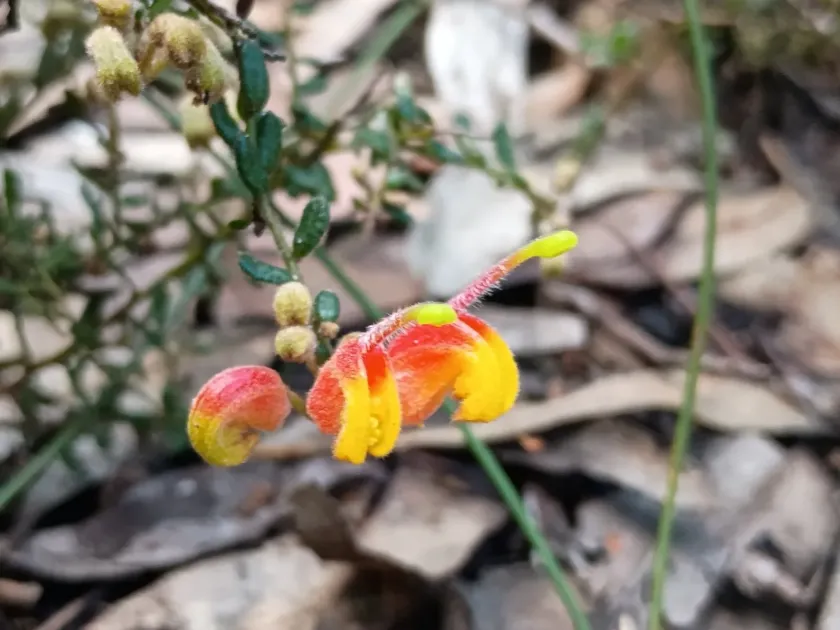
Description
Growing requirements
Grevillea alpina x Grevillea lavandulacea is a remarkable evergreen shrub hybrid belonging to the Proteaceae family. Native to the diverse landscapes of Australia, this cultivar combines the hardiness of its parents, resulting in a plant highly adapted to temperate climates with sufficient sun exposure.
The botanical structure of the plant features narrow, lavender-like foliage and unique tubular flowers that lack petals, typical of the Grevillea genus. It generally grows as a spreading shrub, providing excellent ground cover or an attractive focal point in landscape design.
This crop requires well-draining, sandy, or loam soils to thrive. It is essential to ensure that the planting site has excellent drainage, as the root system is highly susceptible to rot when exposed to waterlogged conditions, particularly in heavier soil types.
The cultivation of this hybrid demands full sun to partial shade, depending on the intensity of the heat. While it has moderate drought tolerance once established, it prefers consistent but light irrigation during the initial stages of its growth cycle.
In terms of usage, this plant is primarily utilized in ornamental horticulture for rock gardens, dry borders, and as a nectar source for local avian fauna, enhancing the biodiversity of the garden ecosystem.
Main diseases and pests
The primary threat to the longevity of the plant is root rot caused by Phytophthora, which is almost always the result of overwatering or inadequate soil permeability.
Insect pests such as scale insects and spider mites are common concerns, particularly when the plants are grown in greenhouse environments with limited airflow.
Maintenance should include periodic pruning to remove dead wood and encourage dense growth, which also helps in detecting early signs of pest infestations.
Nutrient management is critical; the plant is sensitive to phosphorus, and standard fertilizers should be avoided in favor of those specially formulated for native Australian flora.
To prevent foliage diseases, it is important to ensure that water is applied directly to the soil rather than overhead, keeping the leaves dry and minimizing fungal risk.