
Grevillea alpina
Grevillea alpina Lindl.
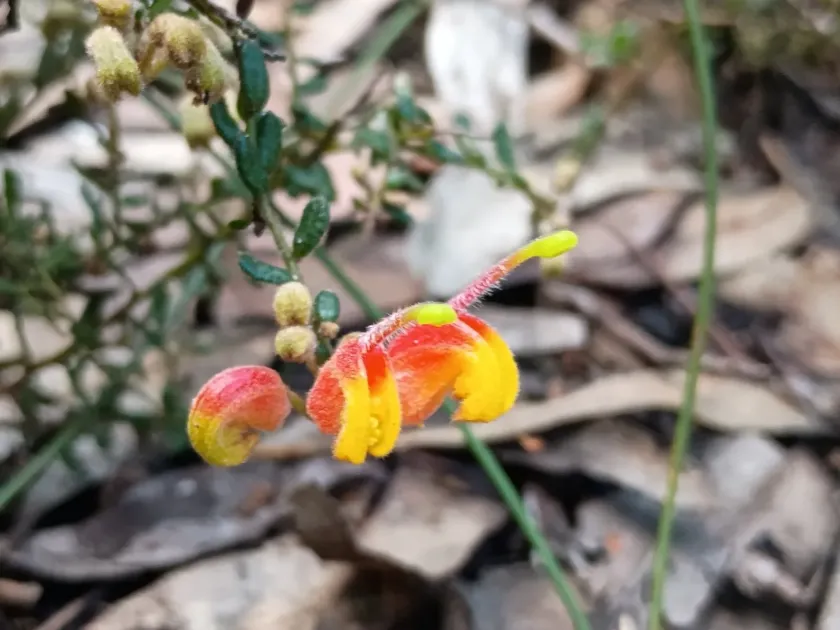
Description
Growing requirements
Grevillea alpina, commonly known as the mountain grevillea, is a hardy evergreen shrub belonging to the Proteaceae family. It originates from the diverse landscapes of southeastern Australia, ranging from coastal areas to alpine regions.
This species is highly valued for its striking, brush-like flowers that attract native pollinators. It is widely used in horticultural projects for rockeries and drought-tolerant garden designs due to its architectural form.
Regarding soil requirements, Grevillea alpina demands excellent drainage. It thrives in sandy, stony, or slightly acidic soils and struggles significantly in heavy or clay-based mediums that trap moisture.
Climate adaptability is a notable feature; however, the plant prefers sunny, well-ventilated positions. While it can withstand light frosts, prolonged exposure to freezing temperatures may require supplemental protection for younger plants.
Cultural practices should focus on minimal maintenance. Fertilization must be approached with caution: it is essential to avoid fertilizers containing phosphorus, as the plant is evolved to absorb nutrients in phosphorus-poor Australian soils.
Main diseases and pests
The most significant threat to Grevillea alpina is root rot, particularly caused by Phytophthora species. This risk increases drastically when plants are grown in poor-draining soil during wet seasons.
Pests such as mealybugs and spider mites are common concerns. These insects tend to thrive in dry conditions, weakening the plant by depleting sap and potentially spreading viral or fungal issues.
Leaf spot diseases can occur if the foliage remains wet for extended periods. Ensuring good airflow around the canopy through appropriate spacing and strategic pruning is crucial for prevention.
Nutrient deficiency symptoms, such as interveinal chlorosis, often manifest if the soil pH is unsuitable or if the roots are damaged by improper cultivation techniques.
- Monitor irrigation frequency carefully to prevent waterlogging.
- Prune annually after flowering to maintain shape and promote new growth.
- Use organic mulch that does not contain high levels of decomposing manure.