
Hybrids of Echeveria harmsii, Echeveria setosa and Echeveria affinis
Hybrids between Echeveria harmsii J. F. Macbr., Echeveria setosa Rose & Purpus and Echeveria affinis E. Walther
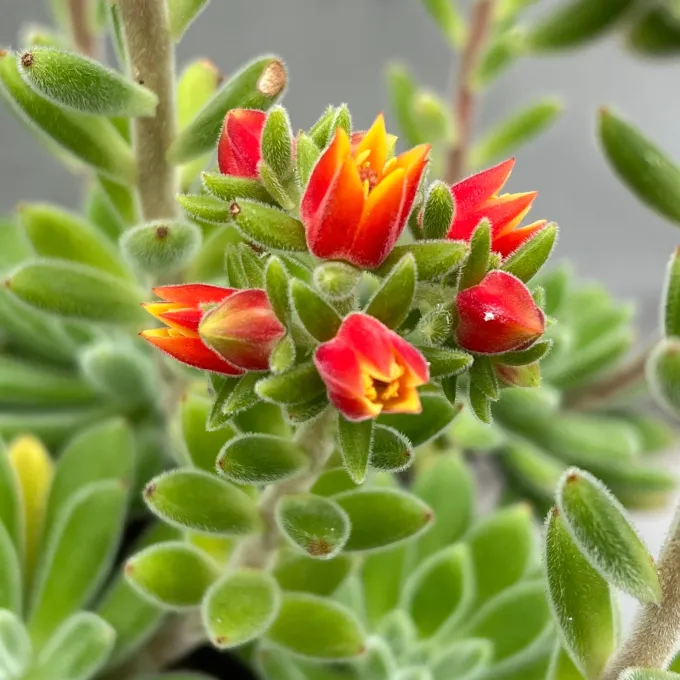
Description
Sowing dates
Propagation of Echeveria hybrids is typically performed through vegetative means, such as leaf cuttings, offsets, or stem cuttings. This method ensures the offspring maintain the distinct hybrid traits of the parent plant.
The best time for propagation is during the active growing season in spring or early summer. Cuttings should be allowed to callous for a few days before being placed in a gritty, well-draining substrate.
For seed propagation, use a loose, sandy potting mix. Seeds should be sown on the surface without deep coverage, and containers should be covered to maintain high humidity until germination.
The ideal temperature for root initiation and germination ranges from +20°C to +25°C. It is critical to maintain moisture levels carefully, as excessive water will cause the delicate tissues to rot.
Once seedlings or cuttings develop a healthy root system, they should be transplanted into individual pots and gradually acclimated to the watering schedule of a mature plant.
Growing requirements
These hybrids belong to the Crassulaceae family and are valued for their ornamental foliage. They require a porous, fast-draining soil mix typically composed of standard succulent soil amended with perlite or coarse sand.
Light is a paramount requirement for these plants. They thrive in bright, indirect light, though many varieties can tolerate morning direct sun. Insufficient light leads to etiolation, where the plant stretches and loses its compact shape.
Environmental requirements include a warm growing season and a cool, dry dormancy period during winter, ideally between +10°C and +15°C. Water should be applied sparingly, avoiding the plant's crown to prevent fungal issues.
The soil should be kept neutral to slightly acidic. Providing an adequate drainage layer at the bottom of the pot is essential, as these plants are highly sensitive to soil compaction and waterlogging.
During the active growth phase, fertilization with a balanced, low-nitrogen succulent fertilizer can be applied at half strength to promote steady growth and maintain the plant's structural integrity.
Yield
The agricultural and commercial value of these Echeveria hybrids lies in their use as premium ornamental indoor plants. They are frequently used in xeriscaping and professional succulent arrangements.
Yield, in the context of this crop, refers to the production of high-quality, uniform rosettes per growing cycle. Successful cultivation relies on consistent propagation rates and careful management of light to ensure ideal morphology.
Economic success is determined by the market demand for healthy, aesthetically pleasing specimens. Growers focus on maintaining the specific hybrid color and texture characteristics through controlled light and moisture environments.
Commercial production requires frequent rejuvenation of mother plants to ensure a steady supply of vigorous offsets. This practice ensures that the crop maintains its aesthetic and commercial standards over time.
These plants are highly favored in the interior landscaping market due to their resilience and unique visual appeal, making them a consistent commodity for nurseries specializing in succulents.
Main diseases and pests
Fungal pathogens represent the primary threat to these Echeveria hybrids, often triggered by poor ventilation and overwatering. Rot can destroy the root system and the base of the rosette very rapidly.
Pests such as mealybugs and root mealybugs are significant risks. They feed on plant sap and can severely weaken the rosette if left untreated, necessitating the use of systemic insecticides.
Spider mites can become a nuisance in dry indoor environments. Consistent monitoring and maintaining moderate airflow are necessary to discourage pest infestations.
- Strict avoidance of overhead watering.
- Use of sterilized soil media for all plantings.
- Ensuring adequate spacing between plants for airflow.
- Immediate isolation of any symptomatic plants.
Preventative maintenance, including periodic checks and prophylactic treatments with fungicides, is essential for maintaining a healthy and profitable collection of Echeveria hybrids.