
Echeveria multicaulis
Echeveria multicaulis Rose
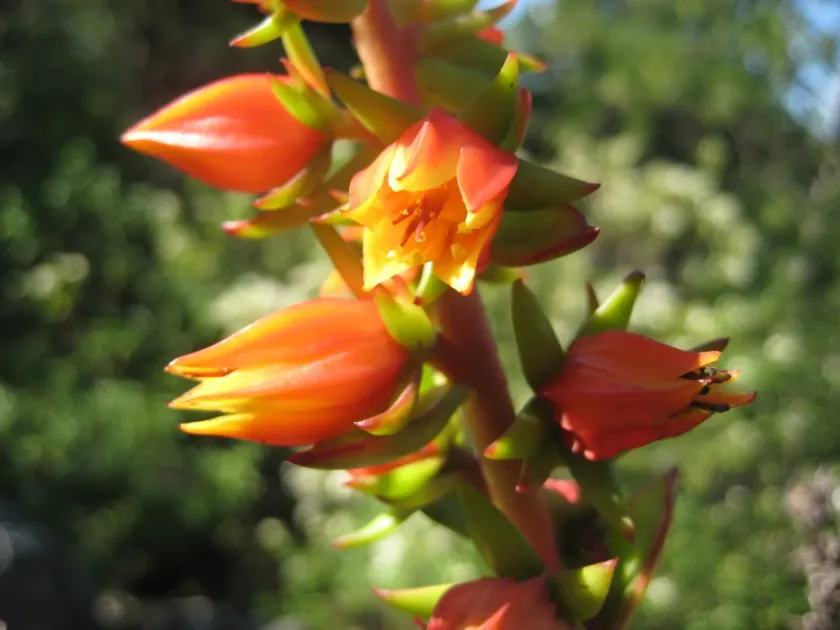
Description
Growing requirements
Echeveria multicaulis is a distinct succulent species belonging to the Crassulaceae family. Native to the mountainous regions of Mexico, this plant is valued for its unique habit of developing branched, woody stems that distinguish it from the typical ground-hugging echeveria species.
The plant features compact rosettes of fleshy, bright green leaves that often develop reddish or bronze margins. These rosettes sit atop stiff, branching stems, which can reach several inches in height, giving the plant a shrub-like appearance over time.
Cultivation requirements focus on excellent drainage. A gritty, porous soil mix is essential, consisting of cactus potting soil amended with pumice, perlite, or coarse sand. Proper drainage prevents moisture accumulation around the roots, which is the primary cause of failure in succulent culture.
Light intensity is critical for maintaining the plant's form. Echeveria multicaulis thrives in bright, indirect sunlight or direct morning sun. In low-light environments, the stems tend to stretch excessively, resulting in a weak and unattractive appearance.
Watering should follow the soak-and-dry method. During the active growing season, water thoroughly only when the substrate is completely dry. In winter, growth slows significantly, requiring the plant to be kept drier and in cooler temperatures to prepare for spring blooming.
Main diseases and pests
The most significant threat to Echeveria multicaulis is root rot caused by overwatering or poor ventilation. Excess moisture in the soil or trapped in the center of the rosettes can quickly lead to fungal decomposition of the plant tissues.
Mealybugs are the most common pest associated with this species. These insects tend to cluster in the axils of the leaves, feeding on the plant's sap and weakening the rosettes over time, often leaving behind sticky residues that can attract secondary infections.
Spider mites may occur during periods of low humidity, manifesting as fine webbing and pale, stippled spots on the leaves. Increasing airflow around the plant is a common and effective preventative measure against these pests.
Pest management should involve regular monitoring of the leaf junctions and the base of the stem. If an infestation is detected, isolating the plant and applying horticultural soaps or systemic insecticides is recommended to prevent spread.
Maintaining high hygiene standards by removing dead leaves from the base of the plant is vital. Decomposing organic matter near the stem base creates a damp microclimate that invites pathogens and unwanted insect populations.