
Echeveria hybrid
Echeveria affinis E. Walther x Echeveria agavoides Lem.
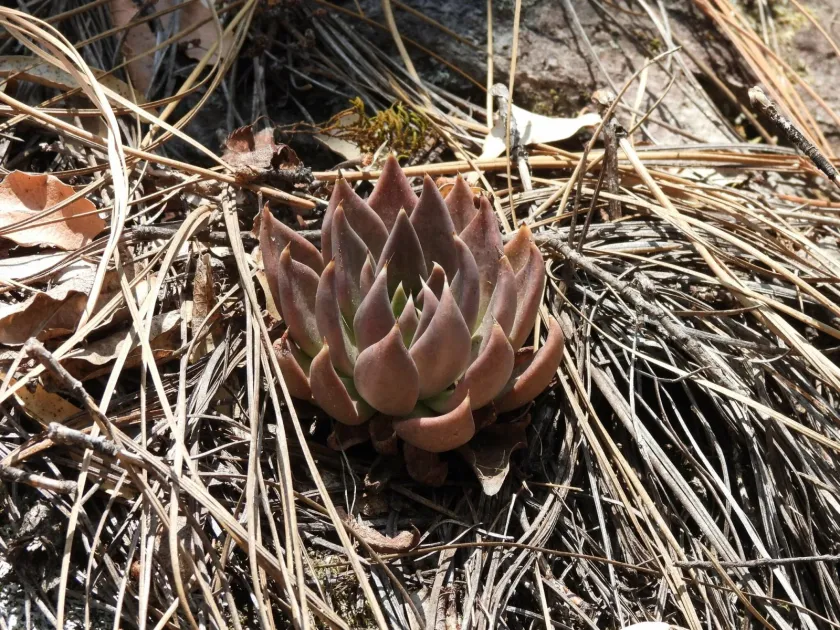
Description
Growing requirements
Echeveria hybrid (Echeveria affinis x Echeveria agavoides) belongs to the Crassulaceae family. This specific cross combines the robust nature of E. agavoides with the distinct aesthetic and coloration of E. affinis, resulting in a sought-after decorative specimen.
The plant originates from arid Mexican ecosystems. To achieve optimal growth in cultivation, it requires high levels of bright, indirect sunlight to maintain its compact rosette structure and vibrant, sometimes metallic or dark leaf pigmentation.
Regarding soil, this species demands excellent drainage. Professional growers utilize a high-percentage mineral substrate consisting of pumice, perlite, and coarse sand, effectively eliminating the risk of water retention around the root collar.
Climate requirements involve distinct seasonal variations. During the active growing phase, temperatures should ideally stay between 20°C and 28°C. A cooling period during winter (10–15°C) is essential to stimulate the plant's metabolic cycle and future flowering.
Watering techniques are crucial. As a true xerophyte, the Echeveria hybrid requires a "soak and dry" method, where the substrate is allowed to dehydrate completely before the next irrigation cycle, preventing physiological stress.
Main diseases and pests
Mealybugs are the primary pest threat to these succulents, as they tend to hide in the tight leaf axils and deep centers of the rosettes, where they extract nutrients from the plant tissues.
Root aphids pose a significant challenge, often going unnoticed until the plant exhibits signs of severe stunting or yellowing due to their underground feeding activity.
Fungal diseases, specifically Fusarium wilt and various stem rots, occur primarily due to excessive moisture and lack of air movement, particularly in indoor conditions where evaporation rates are low.
Effective management includes the application of systemic insecticides for pest control and broad-spectrum fungicides for preventing root-based pathogens in high-density greenhouse setups.
Maintaining a dry environment and ensuring proper airflow are the most effective preventive measures against almost all major biotic stressors that threaten the health of Echeveria hybrids.