
Plush Plant
Echeveria pulvinata Rose
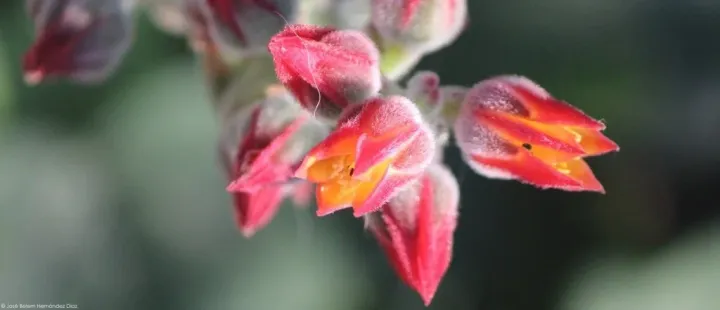
Description
Sowing dates
The propagation of Echeveria pulvinata is most effectively performed through vegetative means, such as stem or leaf cuttings. Spring is the optimal time for this process, as it aligns with the plant's natural growth cycle, ensuring higher success rates for root development.
To prepare a cutting, carefully remove a healthy side offset or a leaf, ensuring the base is clean. Let the cutting air-dry for several days in a shaded area until a callus forms on the wound, preventing rot upon planting.
The cuttings should be placed in a porous, well-draining succulent mix. Slightly mist the soil only when it is completely dry; do not saturate it, as the goal is to encourage the roots to grow in search of moisture without risk of decay.
Rooting typically occurs within a few weeks under bright, indirect light and stable temperatures. Once roots are established, the young plant can be moved to a permanent pot with a suitable soil structure for mature specimens.
Seed propagation is possible but slow and challenging, reserved mostly for hybridizing. Seeds should be sown on the surface of sterile, moist substrate and kept under high-humidity conditions until germination occurs.
Growing requirements
Echeveria pulvinata, a member of the Crassulaceae family, originates from the mountainous regions of Mexico. It is a heliophilic plant, demanding intense light to maintain its characteristic compact shape and vibrant red-tinged foliage.
The soil must have exceptional drainage. A mix comprising coarse sand, perlite, and a small amount of potting soil is ideal. This composition prevents root suffocation and promotes the necessary aeration for a healthy plant.
Temperature management is critical: these plants thrive in 20–26 degrees Celsius during summer but prefer a cool dormant period in winter, ideally between 10–15 degrees, to stimulate flowering in the spring.
Watering should follow the soak-and-dry method. During the active growing season, allow the soil to dry out completely before providing water. In winter, reduce watering frequency significantly, as the plant's metabolic rate slows down.
Humidity requirements are minimal, as the plant is well-adapted to dry environments. Proper air circulation is more important than humidity levels to prevent physiological disorders and pest outbreaks.
Main diseases and pests
The primary pests affecting Echeveria pulvinata are mealybugs, which are often difficult to spot due to the plant's fuzzy leaves. They tend to gather in the leaf axils, draining the plant's sap and causing yellowing.
Root rot is the most common disease, usually caused by overwatering or poor soil drainage. When the base of the plant turns soft and dark, it indicates advanced infection that can quickly lead to total plant collapse.
To combat mealybugs, use systemic insecticides or wipe affected areas with isopropyl alcohol using a soft brush. Consistent monitoring is essential to catch early infestations before they spread.
Preventing fungal and bacterial diseases starts with strict moisture control. Always ensure the pot has drainage holes and that the soil is light enough to allow water to pass through freely.
If rot is detected, immediate surgical removal of the infected tissue is necessary. Sometimes, the only solution is to propagate the healthy tops of the plant and discard the diseased root system.