
Echeveria pallida
Echeveria pallida E. Walther
Description
Growing requirements
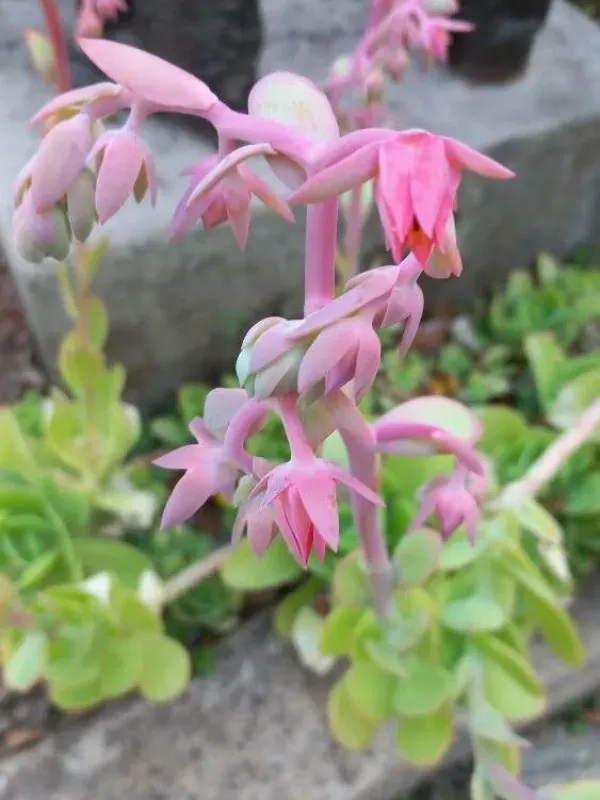
Echeveria pallida is a succulent perennial plant belonging to the Crassulaceae family. Native to the mountainous regions of Mexico, this species is characterized by its large, pale green rosette leaves that possess a delicate, fleshy texture and a characteristic waxy cuticle.
To ensure healthy development, this plant requires high light intensity. If kept in shade, the plant will etiolate, losing its iconic compact shape and structural integrity. A southern or eastern windowsill is generally the most suitable location for indoor cultivation.
The soil requirements are strict: the substrate must be highly porous and inorganic. A professional succulent mix should include coarse sand, pumice, or perlite to facilitate rapid drainage. Organic matter should be kept to a minimum to prevent nutrient overload and soil compaction.
Temperature management is vital during the winter months. Echeveria pallida enters a period of dormancy and prefers cooler temperatures around +10 to +15 degrees Celsius. Keeping the plant warm during winter without proper light often leads to weak growth and increased susceptibility to pests.
Watering techniques must mimic the arid conditions of its natural habitat. The "soak and dry" method is recommended, ensuring the soil is completely dehydrated before the next watering session. Water should never be allowed to accumulate in the center of the rosette to prevent rotting.
Main diseases and pests
The primary threat to Echeveria pallida is root rot, caused by overwatering or poor drainage. Once the stem begins to darken and soften, the prognosis is usually poor, necessitating the salvage of healthy leaves for propagation rather than attempting to save the main plant.
Mealybugs are the most common pests, frequently clustering in the tight spaces between leaves. Regular inspection of the base of the rosette is essential. If an infestation occurs, applications of isopropyl alcohol or systemic horticultural insecticides are highly effective for control.