
Echeveria affinis
Echeveria affinis E. Walther
Description
Growing requirements
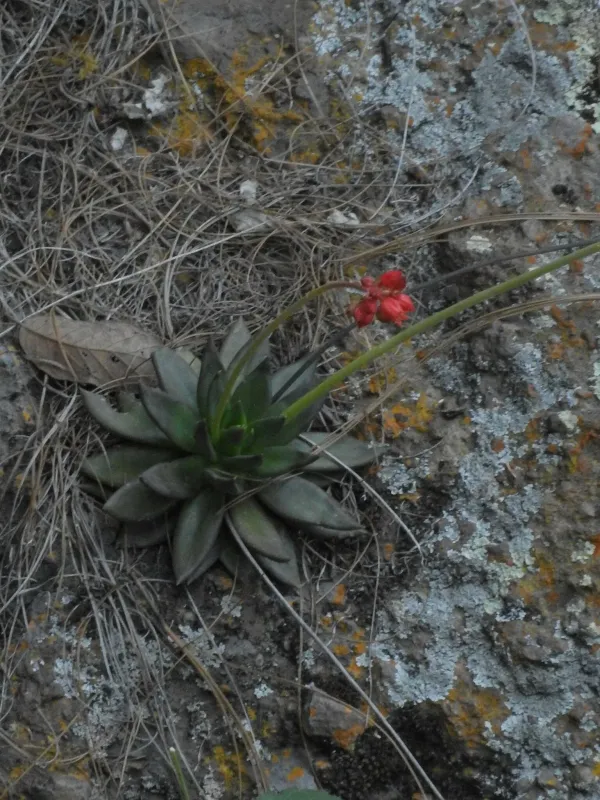
Echeveria affinis is a distinct species of succulent belonging to the Crassulaceae family, native to the rocky terrains of Mexico. It is highly valued for its striking dark, almost black, rosettes that develop vibrant color when exposed to adequate sunlight.
The plant thrives in bright, direct sunlight which is essential for maintaining its compact growth habit and deep pigmentation. Without sufficient light, the plant will become etiolated, losing its aesthetic appeal and structural integrity.
A well-draining soil medium is critical for this species. A mix consisting of pumice, coarse sand, and a small amount of peat or organic compost is ideal to ensure that roots do not remain damp for extended periods, which is vital for preventing rot.
Temperature requirements involve a warm growing season with moderate humidity. During winter, Echeveria affinis requires a cooler dormant period, typically between 10 and 15 degrees Celsius, to maintain its health and prepare for the next growth cycle.
Watering should be performed using the soak-and-dry method. It is imperative to allow the substrate to dry out completely between waterings to mimic the natural arid environment of the plant's origin and prevent accidental decay.
Main diseases and pests
The most common threat to Echeveria affinis is root rot, generally resulting from overwatering or poorly drained soil. Early intervention by repotting into fresh, dry substrate and removing affected roots is necessary for plant survival.
Mealybugs are the primary insect pests that attack this succulent, hiding deep within the leaves. Manual removal combined with the application of neem oil or insecticidal soap is an effective control strategy against these infestations.
Aphids may occasionally appear during the flowering stage, clustering around the inflorescences. Keeping the plant clean and monitoring it closely during the blooming period helps in mitigating the spread of these pests.
Fungal infections, such as leaf spot, can occur if the humidity levels are too high or if water collects in the center of the rosette. Proper ventilation is essential to avoid the buildup of stagnant, humid air around the plant.
Pests and diseases are often secondary to improper environmental conditions. By strictly following light and water guidelines, most of these health issues can be successfully prevented, ensuring a vigorous and healthy specimen.