
Hybrid Echeveria affinis and Echeveria atropurpurea
hybrids between Echeveria affinis E. Walther and Echeveria atropurpurea (Baker) hort. ex E. Morren
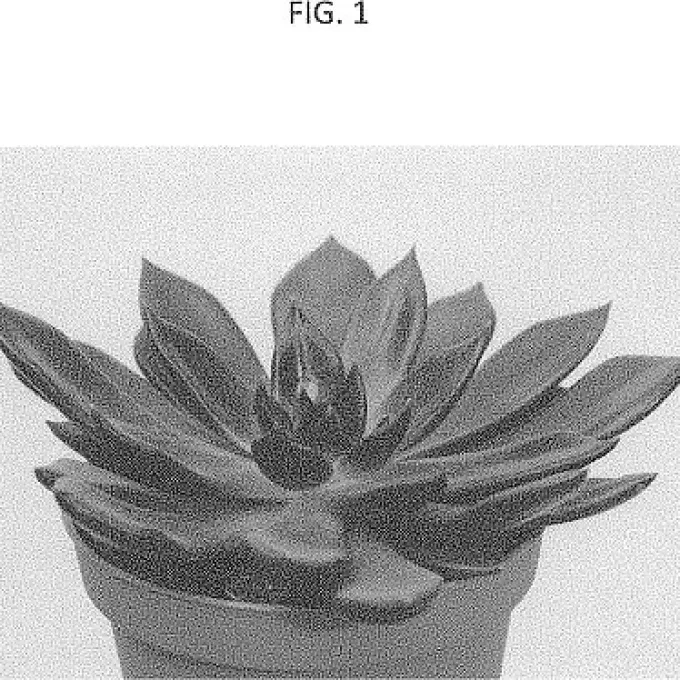
Description
Growing requirements
This hybrid is a member of the Crassulaceae family, resulting from the breeding of Echeveria affinis and Echeveria atropurpurea. It is primarily cultivated for its compact, succulent rosette form and the deep, rich colors inherited from its parental species.
The culture requires high levels of solar irradiance to maintain its specific coloration and structural integrity. In indoor cultivation, supplemental LED lighting is often necessary to prevent etiolation, which is the elongation of stems due to light deficiency.
The soil requirements for this hybrid focus on rapid drainage and high porosity. A professional succulent mix typically consists of 60% inorganic materials like pumice or lava rock and 40% organic peat or coco coir to prevent root rot.
Temperature management is crucial; the plant thrives in moderate conditions (20–25°C) and requires a distinct cooling period during winter (below 15°C) to simulate natural dormancy, which is essential for healthy development.
Watering practices are governed by the "soak and dry" method. The substrate must be completely desiccated before the next irrigation cycle, as the plant stores moisture in its succulent leaves and does not tolerate standing water in the root zone.
Main diseases and pests
Root and crown rot represent the most significant threats to the hybrid, usually triggered by improper moisture management or poor drainage. Once decay starts in the root system, it can spread to the stem, causing the rosette to detach.
Mealybugs are the most persistent pests for this variety. They colonize the inner parts of the rosette, shielded by the foliage, and extract sap, which weakens the plant and attracts secondary fungal infections like sooty mold.
Spider mites are another common challenge, especially in low-humidity environments. They cause stippling on the leaves and can lead to the overall decline of the plant if left untreated with appropriate systemic acaricides.
Fungal issues such as Botrytis may occur if humidity is too high and airflow is insufficient. Proper spacing between plants and the use of small fans can significantly reduce the risk of mold formation.
Regular sanitation of the growing area and immediate quarantine of infected plants are essential components of an effective integrated pest management strategy for this succulent hybrid.