
Daphne hybrid
Hybrids between Daphne bholua and Daphne odora
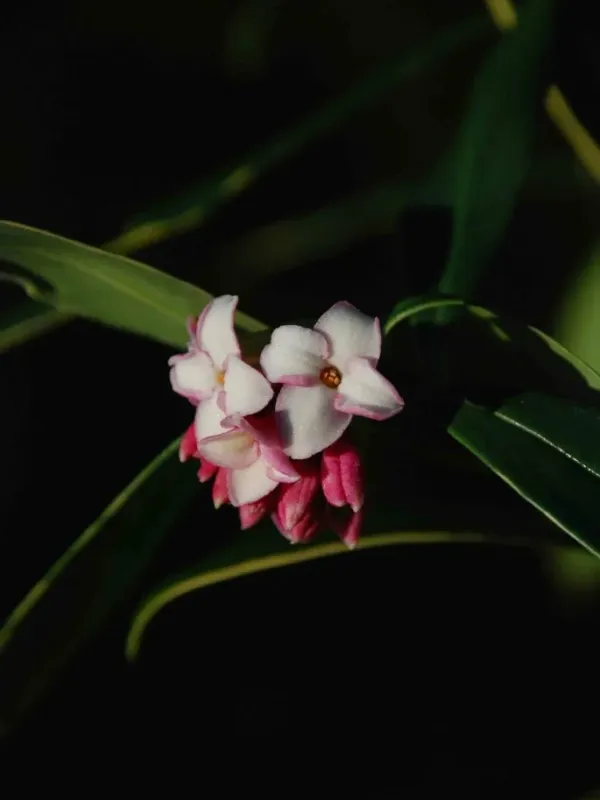
Description
Growing requirements
Daphne hybrid, a cross between Daphne bholua and Daphne odora, belongs to the Thymelaeaceae family. It is a highly prized evergreen or semi-evergreen shrub, renowned for its exceptional fragrance and early season blooms, making it a staple in ornamental horticulture.
The plant originates from hybridizations aimed at combining the cold hardiness of its parent species with improved floral traits. It thrives in temperate regions where it can benefit from partial shade and protection from harsh, drying winds.
Soil composition is critical for this species; it requires a well-drained, humus-rich medium with a slightly acidic to neutral pH level. Proper aeration of the root zone is mandatory, as compacted soils often lead to poor development and plant decline.
Climatic requirements involve moderate temperature ranges and consistent moisture levels. During the dormant winter period, the plant requires protection from extreme frost, especially in regions with heavy freezing, to preserve its delicate flower buds.
In terms of agricultural maintenance, light mulching is beneficial to maintain soil moisture and temperature stability. Over-fertilization should be avoided, as the species prefers moderate nutrient availability rather than high-intensity feeding.
Main diseases and pests
Root rot, primarily caused by Phytophthora species, is the most significant disease threat to Daphne hybrids. This is usually triggered by waterlogged conditions or poor site drainage, necessitating strict adherence to watering protocols.
Fungal leaf spots and grey mold (Botrytis) may occur in environments with poor air circulation. Improving spacing between plants and removing any fallen debris under the shrub helps mitigate these moisture-related pathogens.
Aphids and spider mites are the most common pests affecting this culture. These insects tend to attack new growth and the underside of leaves, and they can be managed with integrated pest management strategies, including biological controls or targeted sprays.
Toxicological awareness is necessary, as all parts of the plant contain daphnetoxin. Personnel involved in pruning and maintenance should wear protective gear to prevent skin irritation and accidental ingestion.
Regular sanitation, such as removing damaged or diseased branches immediately, is essential for maintaining plant health. Preventive measures are far more effective than curative treatments for this sensitive ornamental shrub.