
Hybrids of Corydalis elata and Corydalis flexuosa
Hybrids between Corydalis elata and Corydalis flexuosa
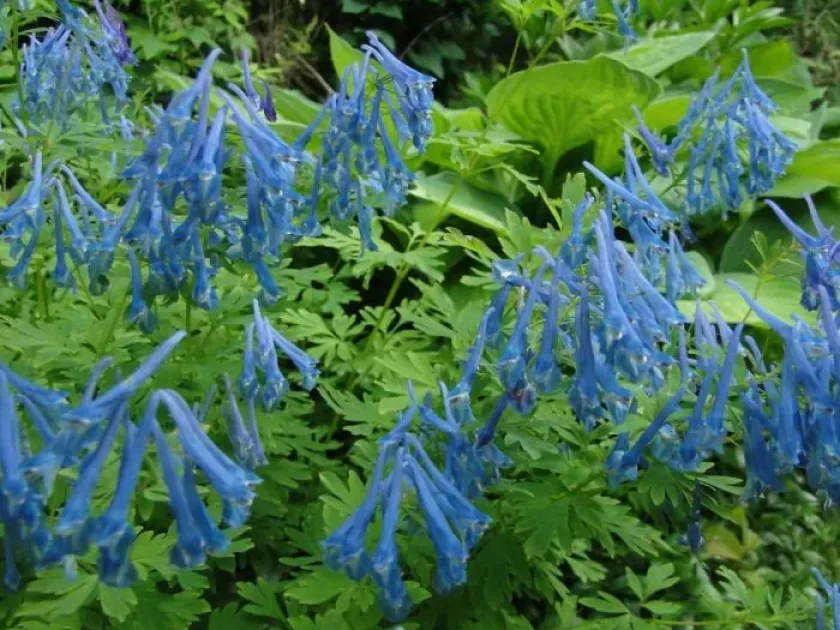
Description
Growing requirements
Hybrids derived from cross-breeding Corydalis elata and Corydalis flexuosa belong to the Fumariaceae family. These herbaceous perennials combine vigorous growth and vibrant floral colors, making them highly prized in landscape design and specialized horticultural collections.
Plants thrive in locations protected from direct harsh sunlight, making them ideal for partial shade conditions. In cooler climates, they may tolerate more light, but in warmer zones, they require strategic shading to prevent the delicate leaf tissue from overheating.
Soil requirements are specific: the growing medium must be loose, moisture-retentive, and rich in organic matter. A slightly acidic to neutral soil pH is considered optimal, provided there is excellent drainage to prevent waterlogging during the plant's dormant phase.
Climatic requirements involve moderate temperatures throughout the growing season. While these hybrids demonstrate reasonable hardiness in temperate zones, they benefit significantly from mulching around the root zone with leaf mold to protect against early spring temperature fluctuations.
From an agricultural standpoint, the crop requires consistent moisture during dry spells. It is critical to avoid overwatering during the summer dormancy period when the foliage begins to die back, as excessive humidity is the primary cause of root system rot.
Main diseases and pests
The primary threat to this group of plants is root rot, which typically occurs due to poor drainage or water accumulation in the soil during the summer dormant season.
Pests such as slugs and snails can severely impact the aesthetic value of the culture by feeding on tender spring foliage. Management strategies include the use of physical barriers and molluscicide baits.
Aphids may infest flower stalks during the blooming period, extracting sap and reducing color intensity. Regular inspection is recommended, followed by the application of systemic insecticides if pest populations exceed thresholds.
Viral infections, characterized by mosaic patterns on the leaves, are a concern. Affected plants should be immediately removed and destroyed to prevent the spread of the virus to healthy neighboring specimens.
Disease prevention is centered on maintaining proper plant spacing to ensure air circulation and optimizing soil structure to support the plant's natural systemic resistance to pathogens.