
Corydalis shimienensis
Corydalis shimienensis C. Y. Wu & Z. Y. Su
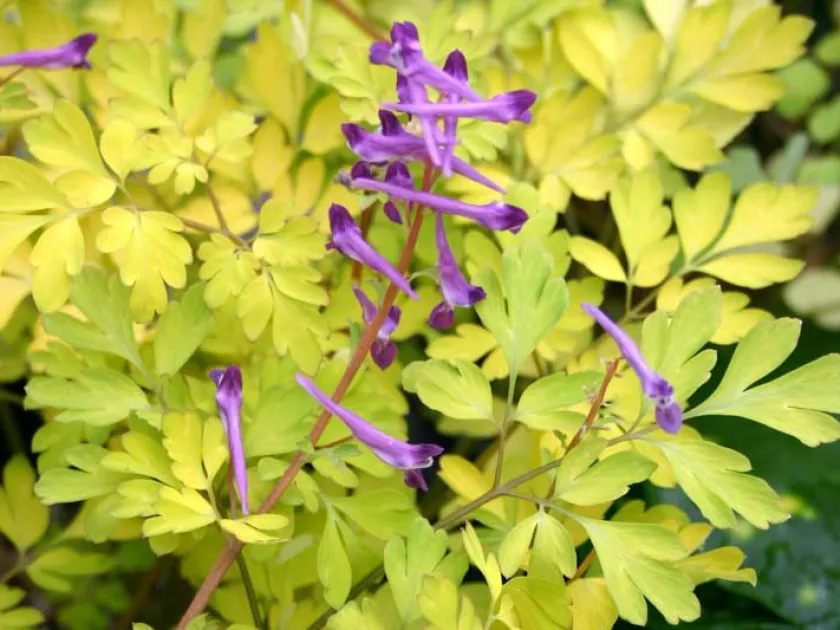
Description
Growing requirements
Corydalis shimienensis is a perennial herb belonging to the Papaveraceae family. Native to the high-altitude mountainous regions of Sichuan, China, this species is well-adapted to alpine and sub-alpine ecological niches.
The crop thrives in cool, humid environments with well-drained, porous soils. Proper soil aeration is paramount, as the plant's root system, consisting of specialized tubers, is highly susceptible to hypoxia and rot if water logging occurs.
Botanically, the species is distinguished by its intricate foliage and specific flowering patterns that align with the short growing seasons of high-altitude habitats. It typically requires partial shade to mimic its natural mountain slope environment.
Soil requirements include a preference for neutral to slightly acidic pH levels, rich in organic matter. Supplemental organic fertilization can enhance the alkaloid production, which is the primary driver for its agricultural interest.
Economically, Corydalis shimienensis is valued in the pharmaceutical industry. Its secondary metabolites, specifically various alkaloids, are utilized in the development of analgesics and anti-inflammatory drugs, making it a niche medicinal crop.
Main diseases and pests
Fungal diseases, such as Fusarium wilt and root rot, represent the most significant threats to Corydalis shimienensis during the active growth period, often triggered by excessive moisture.
Pests, particularly subterranean insects such as nematodes and wireworms, can cause severe structural damage to the tubers, which often leads to the total loss of individual plants in the field.
Effective management requires integrated pest management strategies, including the use of certified disease-free planting stock and proper soil sterilization techniques prior to establishment.
Weed competition can exacerbate disease pressure by reducing airflow around the plants and creating micro-environments suitable for pathogen propagation.
Regular monitoring for leaf spotting or early signs of wilting is essential for early intervention, as once root decay begins, the therapeutic efficacy of the harvest is significantly compromised.