
Corydalis wilsonii
Corydalis wilsonii N. E. Br.
Description
Sowing dates
Sowing seeds of Corydalis wilsonii is most effective when done in late autumn, allowing the seeds to undergo natural cold stratification during winter.
If you prefer spring sowing, seeds must be artificially stratified in a refrigerator for at least eight weeks to break seed dormancy.
The seeds should be sown thinly into a gritty, well-draining seed compost and covered with a very light layer of fine grit.
Seedlings develop slowly, so it is crucial to keep them in a cool, protected environment until they are robust enough for transplanting.
When moving plants to their permanent outdoor location, choose a cool spot with partial shade to ensure steady development.
Growing requirements
Corydalis wilsonii is a member of the Papaveraceae family, native to high-altitude rocky slopes in China, making it an excellent candidate for alpine gardens.
This species thrives in temperate climates and requires a position that mimics its natural habitat, with cool roots and moderate sunlight exposure.
The ideal soil is gritty, neutral to slightly alkaline, and must have excellent drainage to prevent crown rot during dormant months.
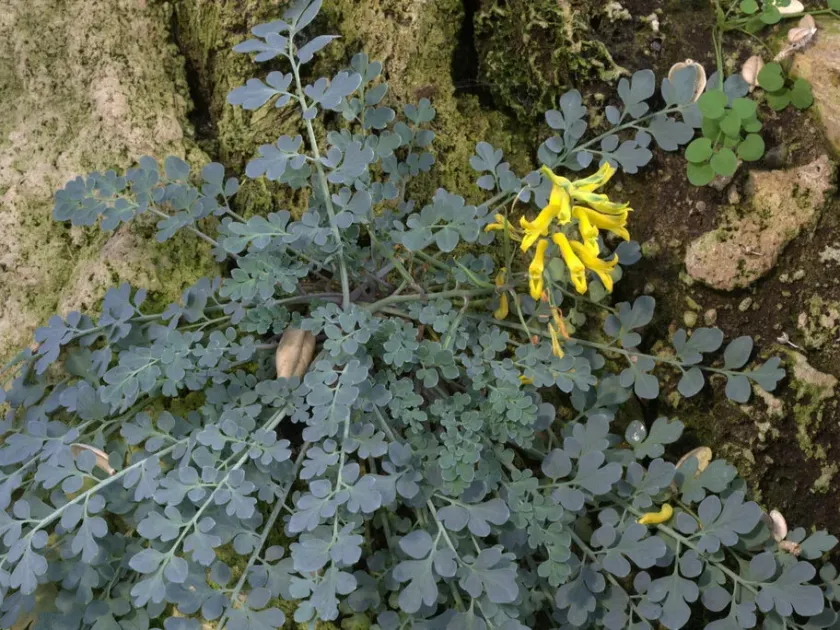
The foliage, which is glaucous and fern-like, provides a beautiful contrast to the long, bright yellow racemes of flowers that emerge in spring.
Regular maintenance involves removing spent flower stems to encourage a tidy appearance and prevent excessive self-seeding in unwanted areas.
Main diseases and pests
Root rot caused by poor drainage or excessive soil moisture is the primary physiological threat to the health and longevity of this plant.
Slugs and snails are major pests, particularly in early spring, as they are attracted to the tender, succulent new foliage emerging from the soil.
Powdery mildew can affect the leaves during periods of high humidity and poor air circulation, necessitating prompt attention to plant spacing.
Caterpillars can occasionally feed on the leaves, leading to significant cosmetic damage if the infestation is not detected and treated early.
To keep the plants healthy, it is essential to avoid over-fertilizing with nitrogen, which can lead to lush growth susceptible to disease.