
Corydalis flexuosa
Corydalis flexuosa Franch.
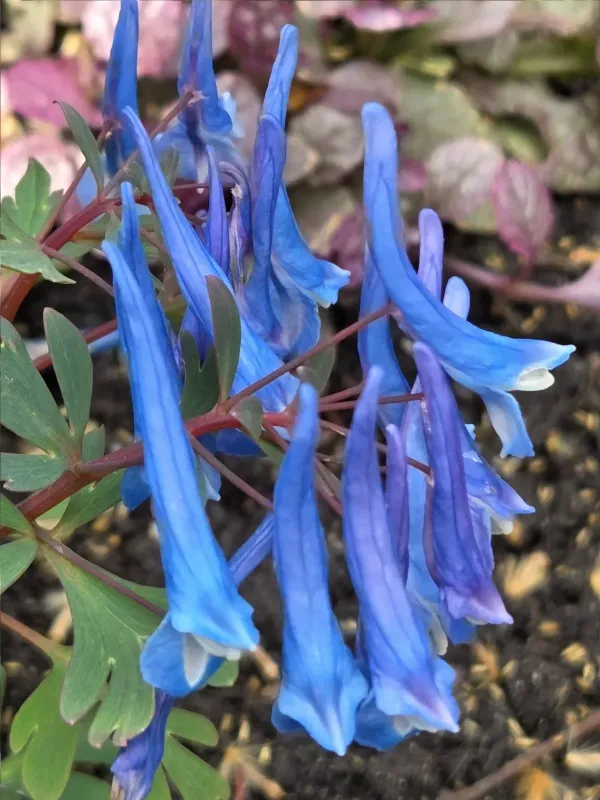
Description
Sowing dates
Corydalis flexuosa is a charming perennial belonging to the Papaveraceae family. In professional and amateur gardening, it is primarily propagated by dividing the rhizomes, which ensures the consistency of the parent plant's characteristics and promotes quicker establishment in the garden.
The ideal time for division is either early spring before growth initiates or in late summer during the plant's dormancy phase. Each division must contain a healthy segment of the rootstock with visible buds to ensure viable regeneration.
Seed propagation is also possible but requires stratification to overcome dormancy. Seeds should be sown in late autumn in a sheltered outdoor area or cold frame, allowing them to experience the natural winter cooling cycle before germinating in the spring.
When sowing, cover the seeds with a thin layer of substrate, no more than 0.5 cm deep. Consistent moisture is crucial for germination, and the seedlings should be kept in a shaded, well-ventilated environment to prevent damping-off.
Selecting the right planting spot is vital for success. Since Corydalis flexuosa is a shade-loving species, it performs best in locations that provide protection from the intense afternoon sun, which can cause leaf scorch.
Growing requirements
Native to the mountain regions of China, this species thrives in cool, humid, and shady environments. It is an excellent choice for woodland gardens where the soil remains cool throughout the growing season.
The plant requires well-draining, humus-rich soil. If your garden soil is heavy or prone to waterlogging, it is recommended to amend it with organic matter such as compost, leaf mold, or horticultural grit to improve drainage.
Soil pH levels should ideally be slightly acidic to neutral. Extreme pH levels can affect nutrient uptake and the overall health of the plant, potentially leading to yellowing of the foliage.
Consistent soil moisture is essential during the active growing season. However, water should be applied directly to the base of the plant to keep the foliage dry and reduce the risk of foliar fungal diseases.
Mulching the surrounding soil with organic materials like leaf litter or wood chips helps maintain soil temperature and moisture levels, mimicking the natural forest floor conditions the plant prefers.
Main diseases and pests
The most significant threat to Corydalis flexuosa is root rot caused by poor soil drainage and waterlogged conditions. Ensuring that the site has excellent drainage is the primary defense against this issue.
Slugs and snails are the most common pests, particularly during wet and humid weather. They can cause significant aesthetic damage by feeding on the delicate, fern-like leaves, necessitating regular monitoring or the use of physical barriers.
Powdery mildew can occur if the plants are placed in areas with poor air circulation or if the foliage remains wet for extended periods. Pruning surrounding vegetation to improve airflow can help prevent these outbreaks.
Aphids might appear on the succulent flower spikes during early summer. These can be managed with gentle water sprays or insecticidal soaps, which are typically sufficient to control minor infestations.
If any foliage shows signs of fungal infection, it should be removed and disposed of immediately to prevent spores from spreading throughout the planting site, maintaining the health of the overall garden collection.