
Corydalis elata
Corydalis elata Bureau & Franch.
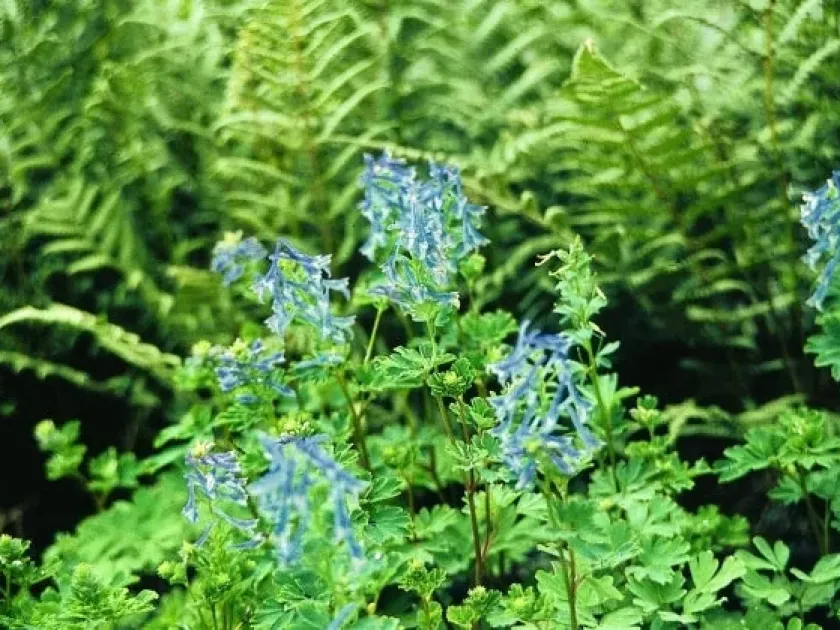
Description
Sowing dates
Corydalis elata is a perennial herbaceous plant belonging to the Papaveraceae family. It is known for its graceful habit and vibrant, often blue-toned, inflorescences.
Seeds are best sown in late autumn to benefit from natural winter stratification, which is essential for uniform germination in the following spring.
When starting indoors, use a well-draining seed-starting mix. Keep the trays in a cool place, as high temperatures during the germination phase are usually detrimental.
Vegetative propagation is achieved by dividing mature root clumps. This task is best performed during the dormancy phase, either early spring or post-foliage senescence.
Spacing should be adequate to allow for air circulation. Planting density should be based on the local climate and soil nutrient availability for optimal growth.
Growing requirements
This species thrives in woodland-like conditions, preferring partial shade. It does not tolerate prolonged exposure to direct, intense sunlight, which leads to leaf scorch.
Soil should be rich in humus, moist, and possess excellent drainage. Heavy, waterlogged soils are unsuitable and will likely cause root issues.
Consistent moisture is required throughout the active growing season. However, once the plant enters summer dormancy, water levels should be reduced significantly.
The ideal soil pH is slightly acidic to neutral. Amending the soil with leaf mold or decomposed organic matter helps maintain the required structure and nutrient levels.
Hardiness is a key feature of this plant, allowing it to withstand cold winters provided that the crowns are protected by snow or a layer of light mulch.
Main diseases and pests
Root rot caused by poor drainage and excessive watering is the most serious threat to the longevity of the plant population.
Slugs and snails are the primary pests that target emerging foliage in early spring, often causing significant aesthetic damage to the plant.
Botrytis or other fungal leaf spots may appear in stagnant, humid environments where air circulation is insufficient for proper drying of the foliage.
To manage threats, it is advised to practice clean cultivation by removing debris and ensuring that plants are not overcrowded in the garden beds.
Monitoring for signs of stress is crucial. If pests are detected, prompt intervention with safe deterrents or cultural controls is recommended to maintain plant health.