
Corydalis moorcroftiana hybrid
Corydalis moorcroftiana x C. wilsonii
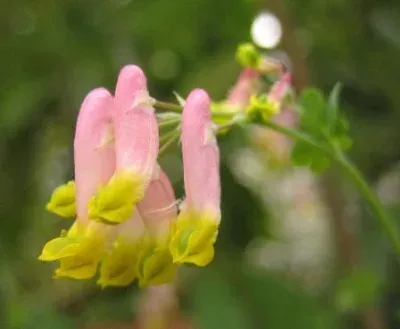
Description
Sowing dates
Sowing of this crop is primarily carried out in the autumn, as the seeds require natural stratification in cold soil for successful spring germination.
If spring sowing is planned, artificial stratification at temperatures between +2 and +5 degrees Celsius for at least two months is strictly required.
The sowing depth should not exceed 0.5 to 1 centimeter to ensure optimal light and moisture access to the embryo for rapid sprouting.
The optimal planting density is approximately 15–20 plants per square meter to facilitate the formation of a healthy and uniform stand.
The soil at the time of sowing must be loose, well-drained, and possess a neutral or slightly alkaline reaction to promote strong root development.
Growing requirements
The Corydalis moorcroftiana hybrid belongs to the Papaveraceae family and is an alpine plant, which dictates its high requirements for light and soil aeration.
The plant prefers well-lit areas, but in regions with hot climates, it requires light shading during midday hours to protect leaves from solar burns.
Adequate drainage is critical for this crop, as moisture stagnation in the root zone inevitably leads to tuber rot and total plant mortality during the season.
The temperature regime should be moderate; the crop does not tolerate rapid temperature fluctuations or prolonged periods of extreme summer heat above +25 degrees.
Organic fertilizers should be applied in moderate amounts, as excess nitrogen promotes excessive vegetative growth at the expense of flowering and stability.
Yield
The economic utilization of this crop is primarily aimed at the pharmaceutical industry due to the presence of unique alkaloids in the plant tissues.
The yield of raw material directly depends on strict adherence to agrotechnical practices and favorable climatic conditions during the active growing season.
Standard biomass harvest from a production plot is viable in the second or third year after planting, once the plant builds up sufficient nutrient reserves.
Under intensive cultivation using drip irrigation, dry matter yields can reach 2–3 tons per hectare depending on the specific planting density and environment.
Crop quality is determined by the harvest time: the peak concentration of active compounds typically coincides with the stage of mass flowering.
Main diseases and pests
The primary threats to this crop are fungal diseases that develop under high humidity conditions, with powdery mildew being a significant concern.
Root rots are the most dangerous pathogens, making prophylactic treatment with copper-based fungicides an essential measure for crop protection.
Among pests, tuber damage caused by wireworms and chafer larvae is frequently noted, requiring careful pre-planting soil preparation.
The foliage can be targeted by aphids, which drain plant sap, weaken the immune system, and facilitate the entry of secondary infections.
- Regular monitoring of the root neck and bulb integrity
- Strict adherence to crop rotation cycles (avoiding other poppies)
- Elimination of weeds that act as reservoirs for pathogens
Harvesting
Harvesting of the aerial parts is conducted during the full flowering phase, as the concentration of active substances is at its maximum at this time.
The harvest of tubers, if specified in the technological protocol, is carried out in the autumn after the aerial parts have fully withered and yellowed.
After extraction from the soil, the tubers require immediate cleaning of soil residues and careful washing in running water to prevent deterioration.
Drying of the harvested raw material must be performed at temperatures not exceeding +40 degrees in well-ventilated areas to preserve alkaloid integrity.
The final product should be stored in dry, dark, and well-ventilated conditions to prevent mold formation and maintain high pharmacological standards.