
Hoya wayetii
Hoya wayetii
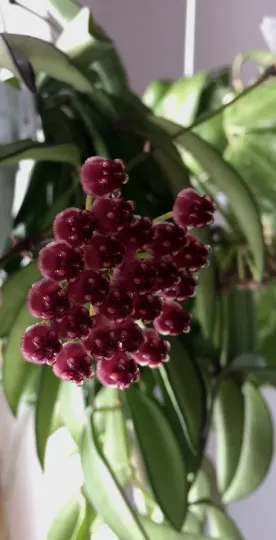
Description
Growing requirements
Hoya wayetii is a popular trailing epiphyte belonging to the Apocynaceae family. Native to the tropical regions of the Philippines, it is highly valued by growers for its attractive, long, boat-shaped leaves that often develop a reddish-purple margin when exposed to bright light.
This culture requires bright, indirect light to thrive and bloom effectively. While it can tolerate some morning sun, harsh afternoon light can scorch the foliage. Providing a consistent light source is the key to maintaining the plant's compact growth habit and vibrant leaf coloration.
The substrate must be extremely well-draining, mimicking the plant's natural epiphytic environment. A mix of peat moss, perlite, coconut husk chips, and charcoal works best to ensure sufficient airflow to the root system while retaining the necessary level of moisture.
Watering management is crucial for the health of Hoya wayetii. It is a drought-tolerant species that requires the growing medium to dry out significantly between watering sessions. Overwatering is the most common cause of root rot, which can be fatal to the plant.
The ideal temperature range for Hoya wayetii is between +20°C and +25°C. The plant should be protected from cold drafts and sudden temperature fluctuations, which can trigger leaf drop and stunt growth during the cooler months of the year.
Main diseases and pests
Mealybugs are the most common pests affecting Hoya wayetii. They tend to cluster in leaf axils and along the stems, feeding on the plant's sap and weakening its overall structure. Manual removal with alcohol-soaked swabs or insecticidal soap is recommended.
Spider mites are another significant threat, particularly in low-humidity indoor environments. These microscopic pests create tiny webs and cause stippling on the leaves, leading to yellowing and eventually plant decline if left untreated.
Root rot is the primary physiological disorder caused by improper irrigation. It occurs when moisture remains trapped in the soil, preventing oxygen from reaching the roots, which leads to the breakdown of root tissues and subsequent wilting of the stems.
Managing these threats requires a proactive approach, including regular inspection of the undersides of the leaves. Maintaining proper air circulation and keeping the plant clean helps deter the proliferation of both pests and fungal pathogens.
For severe infestations or disease outbreaks, the use of targeted systemic insecticides or copper-based fungicides may be necessary. Always follow label instructions and isolate affected plants to prevent the spread to other collections.