
Hoya calycina
Hoya calycina
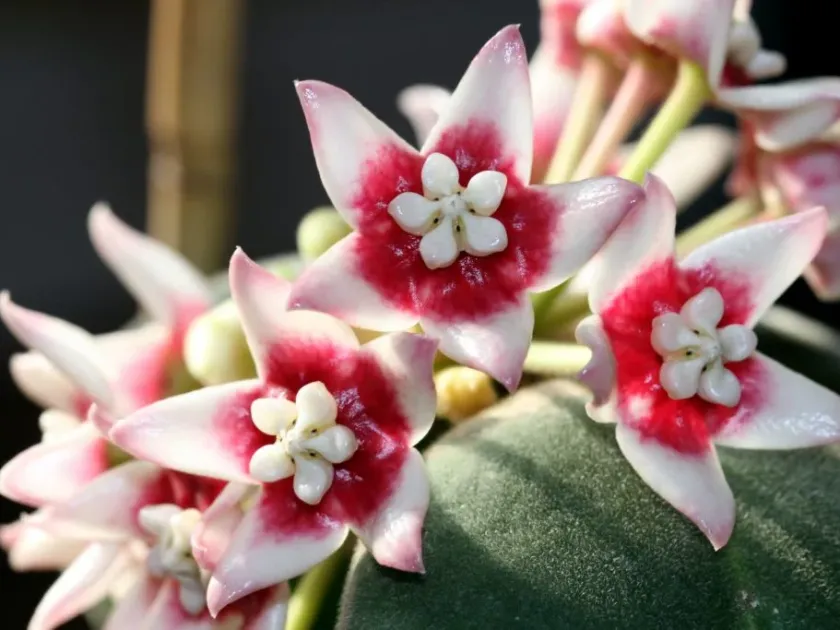
Description
Growing requirements
Hoya calycina is a prominent member of the Apocynaceae family. This tropical vine originates from the humid forests of Indonesia, specifically New Guinea and Java, where it thrives as an epiphyte within dense forest canopies.
The plant requires a stable temperature range between 20°C and 26°C. It is particularly sensitive to cold drafts and temperatures dropping below 15°C, which can cause physiological stress and inhibit its typical lush vegetative growth.
Adequate lighting is essential for proper development. Hoya calycina thrives in bright, filtered light conditions. Exposure to harsh, direct sunlight often causes leaf scorching, while insufficient light leads to sparse foliage and a lack of flowering.
A well-draining, airy substrate is crucial for successful cultivation. Growers should utilize a mix consisting of coarse bark, perlite, and coconut husk chunks to ensure the roots receive sufficient oxygen and do not sit in waterlogged soil.
Watering management involves allowing the top layers of the growing medium to dry out before providing the next irrigation. Maintaining high atmospheric humidity, ideally above 60%, is necessary to mimic the natural tropical environment of the species.
Main diseases and pests
Mealybugs and spider mites are the most common pests affecting Hoya calycina. These insects often hide in the leaf axils, making early detection difficult, which necessitates frequent inspections of the plant's structural nodes.
Root rot represents the primary pathological threat, typically induced by overwatering or the use of poorly draining soil mixtures. Symptoms include sudden leaf drop, discoloration, and a mushy texture of the stems and roots.
Pest management protocols include the use of horticultural oils or systemic insecticides if infestations occur. If root rot is suspected, the plant should be unpotted immediately, the affected roots pruned, and the medium replaced with fresh, sterile components.
Nutrient deficiencies, such as iron or magnesium chlorosis, can occur if the pH level of the substrate becomes too high. Utilizing balanced, micronutrient-enriched fertilizers during the active growing season helps maintain the deep green color of the leaves.
Pruning should be performed with sterilized tools to prevent the transmission of pathogens. Due to the presence of latex within the plant tissues, operators should wear gloves to prevent skin irritation when performing maintenance tasks.