
Hoya bilobata
Hoya bilobata
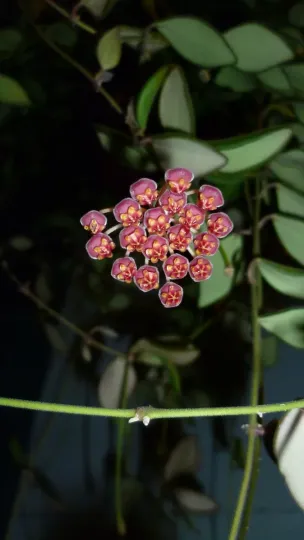
Description
Growing requirements
Hoya bilobata is a member of the Apocynaceae family and is a trailing vine native to the tropical rainforests of the Philippines. In agricultural and horticultural terms, this species is cultivated primarily as an ornamental plant due to its unique foliage and charming growth habit.
The plant thrives best under bright, indirect sunlight. Exposure to harsh, direct midday sun may result in leaf scorch, while insufficient light levels will significantly reduce the plant's ability to bloom. A steady temperature between 20–25 degrees Celsius is ideal for maintaining continuous growth.
A well-draining soil mix is mandatory for the health of Hoya bilobata. Growers typically use a substrate composed of orchid bark, peat moss, perlite, and coconut husk chips. This mixture ensures the root system remains aerated while still retaining sufficient moisture for the plant's needs.
Watering should be balanced, allowing the surface layer of the soil to dry out between applications. During the warmer seasons, Hoya bilobata benefits from increased ambient humidity. Regular misting or the use of pebble trays helps to mimic the natural tropical environment of the plant.
The primary use of this crop is within the ornamental plant industry for interior landscaping and specialized collections. Its small, star-shaped, fragrant flowers make it a desirable addition to greenhouses, conservatories, and private homes where space is limited and aesthetics are prioritized.
Main diseases and pests
The most common pests affecting this species are mealybugs and spider mites, which tend to congregate on the undersides of leaves. Poor soil drainage often leads to fungal infections and root rot, which are the most critical threats to the plant's long-term survival in agricultural setups.