
Hoya bella
Hoya bella
Description
Growing requirements
Hoya bella is an evergreen epiphytic shrub belonging to the Apocynaceae family. Native to the tropical regions of Southeast Asia, this species has adapted to high humidity environments where it grows on tree trunks and mossy rocks.
The cultivation of this crop requires bright but filtered sunlight, as intense direct beams can easily damage the foliage. It thrives in temperatures between 20°C and 25°C during the active growth season and requires a slight drop in temperature during the winter dormant phase.
Soil requirements focus on high aeration and rapid drainage. An ideal growing medium includes a blend of pine bark, perlite, peat moss, and charcoal to prevent the roots from becoming waterlogged, which is a common cause of crop failure.
Irrigation practices must be precise; the substrate should be allowed to dry slightly between waterings. Hoya bella is sensitive to standing water, which can trigger fungal colonization of the root zone, ultimately leading to plant decline.
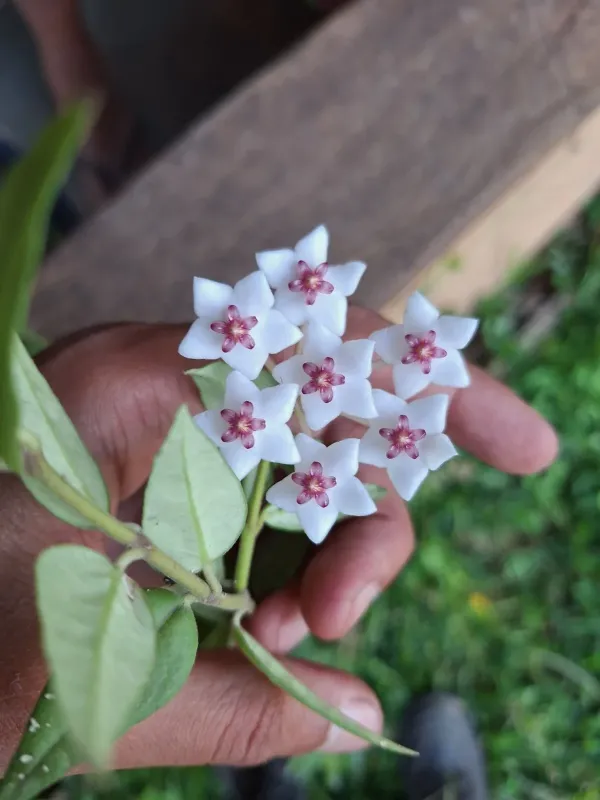
Botanically, it is known for its trailing, slender stems with small, pointed leaves. Its inflorescences are distinct umbrella-shaped clusters of white, star-shaped flowers with purple centers, emitting a strong, sweet, and characteristic fragrance.
Main diseases and pests
Mealybugs are the most persistent pest for Hoya bella, often clustering in the leaf axils and along the stems. Regular inspection and the application of horticultural oils or systemic insecticides are necessary to maintain plant health.
Spider mites can become problematic in low-humidity conditions, causing yellowing and webbing on the underside of leaves. Maintaining optimal ambient humidity is an effective preventive measure against mite outbreaks.
Root rot is the primary physiological and pathological threat to this crop. It is almost exclusively caused by overwatering or the use of heavy, non-porous soil media that lack sufficient drainage properties, leading to rapid tissue death.
Sudden environmental changes, such as cold drafts or shifts in light intensity, can cause the plant to drop its flower buds prematurely. Stability in the growing environment is crucial to ensure consistent flowering and vegetative health.
Effective management strategies involve a combination of environmental control and prophylactic treatment. Keeping the growing area clean and ensuring adequate air circulation significantly reduces the risk of pest and disease outbreaks.