
Hoya anulata
Hoya anulata
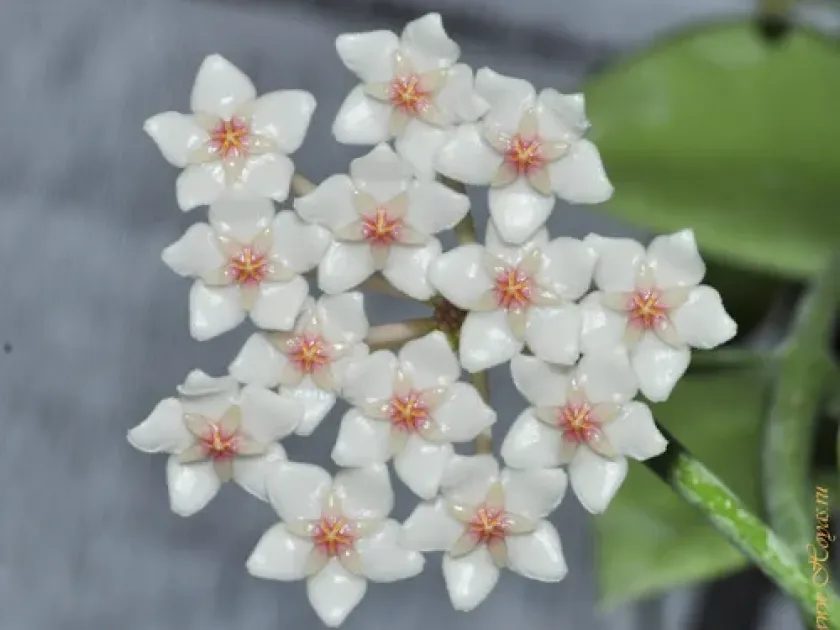
Description
Growing requirements
Hoya anulata is a perennial evergreen plant belonging to the Apocynaceae family, specifically the Asclepiadoideae subfamily. Naturally occurring in the tropical rainforests of Southeast Asia, particularly the Philippines, this species functions as an epiphyte, growing on tree trunks and in rock crevices.
Botanically, this plant is characterized by its woody vine structure and succulent leaves covered with a fine layer of indumentum. This morphological adaptation allows the species to tolerate periods of limited moisture, store water effectively, and thrive in canopy environments where nutrient availability is seasonal.
To ensure optimal growth, Hoya anulata requires bright, indirect light conditions. While the plant can tolerate low light, it will not flower without adequate light intensity. It is recommended to position the plant in an area that mimics the filtered sunlight characteristic of tropical forest understories.
The soil requirements for this culture involve a highly aerated, well-draining medium. A typical epiphytic substrate blend includes pine bark, perlite, sphagnum moss, and charcoal. This composition prevents root compaction and maintains the necessary oxygen-to-moisture ratio for healthy root development.
Climate conditions should be maintained with a temperature range between 20°C and 25°C. The plant exhibits higher sensitivity to temperature drops than other Hoya species; therefore, avoiding cold drafts and ensuring a stable environment is essential for sustaining vigorous growth throughout the year.
Main diseases and pests
Common pests that pose a threat to Hoya anulata include mealybugs and scale insects. These pests tend to hide in the axils of the leaves, making early detection difficult. Systemic insecticides are recommended for effective management when infestations are detected during regular crop inspections.
Fungal issues, such as root rot, are often the result of improper irrigation techniques or poor substrate drainage. Maintaining a drying period between watering intervals is the most effective preventative measure against pathogenic soil fungi, ensuring the long-term viability of the plant.