
Hoya archboldiana
Hoya archboldiana
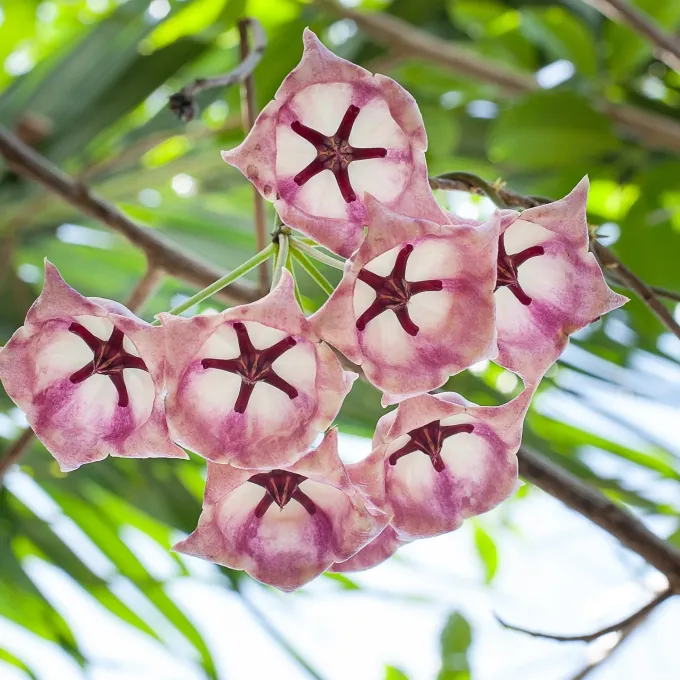
Description
Growing requirements
Hoya archboldiana is a robust vining epiphyte belonging to the Apocynaceae family. Native to the tropical rainforests of New Guinea, it typically grows in humid environments, utilizing its aerial roots to anchor onto host trees for support in the canopy.
The climate requirements for this species include consistent warm temperatures, ideally between 20°C and 26°C. It is intolerant of frost and cold drafts, which can cause significant stress, leaf yellowing, and even death if temperatures drop below 15°C for extended periods.
In terms of soil, Hoya archboldiana requires a highly porous and well-draining medium. A mix consisting of orchid bark, perlite, coco coir, and a small amount of charcoal is highly recommended to mimic the natural epiphytic conditions and prevent waterlogging.
Regarding lighting, this crop thrives in bright, indirect light. While it can handle some early morning sun, direct afternoon light should be filtered to prevent scorching the broad, leathery leaves which are characteristic of this species.
Watering management is crucial for the health of this plant. It requires a soak-and-dry irrigation cycle; the substrate should be allowed to dry out significantly before the next watering session, ensuring that air can reach the root zone periodically.
Main diseases and pests
The most common pests affecting Hoya archboldiana are mealybugs and spider mites. Mealybugs often congregate in the nodes and the base of the peduncles, feeding on sap and hindering the development of the complex, cup-shaped flowers.
Root rot is the primary disease threat, typically caused by overwatering or using a medium with poor drainage. Once root decay starts, it can rapidly progress to the stem, causing the entire plant to collapse if not treated immediately.
Cultural control methods involve maintaining optimal airflow around the foliage to discourage fungal growth and routine inspections for pest colonies. If an infestation is detected, physical removal followed by the application of horticultural oils or systemic insecticides is necessary.
Fungal diseases like botrytis may appear during periods of high humidity and low temperatures. Keeping the foliage dry and ensuring adequate ventilation can drastically reduce the incidence of these pathogens in an indoor or greenhouse setting.
Proper plant nutrition is vital; utilizing a balanced, slow-release fertilizer during the growing season helps the plant maintain vigor. Strong, healthy plants possess a higher natural resistance to pest attacks and secondary infections compared to nutrient-deficient specimens.