
Hoya burtoniae
Hoya burtoniae
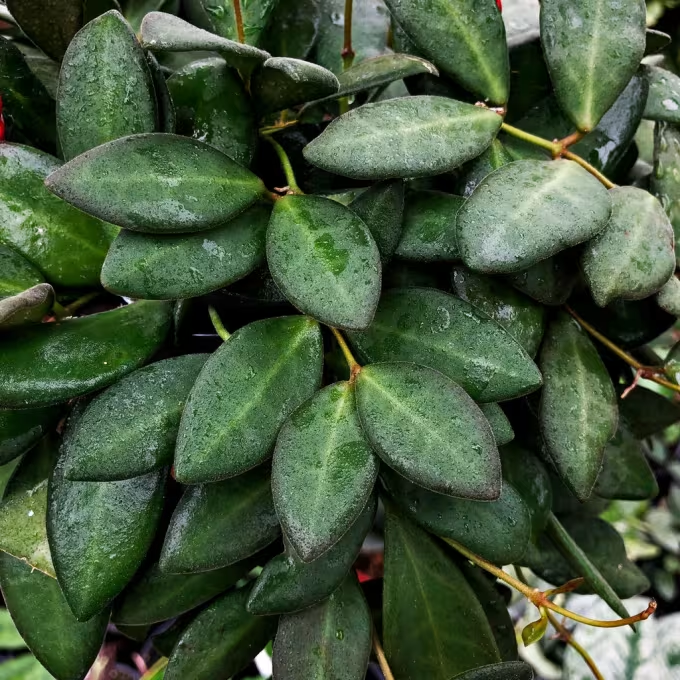
Description
Growing requirements
Hoya burtoniae is an evergreen epiphytic plant belonging to the Apocynaceae family. Native to the Philippines, this species naturally thrives in tropical forest environments where it climbs and attaches itself to tree trunks, utilizing filtered light and high atmospheric humidity.
For successful cultivation, Hoya burtoniae requires bright, indirect light. Prolonged exposure to intense, direct sunlight is detrimental, often leading to leaf scorching. A position near an east-facing window with light filtration provides the ideal intensity for healthy growth.
The choice of growing medium is vital for this culture; it should be highly porous and well-draining. A professional mix usually consists of orchid bark, perlite, and coconut husk chips to mimic the epiphytic conditions where roots are consistently aerated and never waterlogged.
Temperature management is crucial, as the plant prefers stable conditions between 18°C and 25°C. Exposure to sudden temperature drops or persistent cold drafts during winter can trigger physiological stress, leading to leaf drop and stunted development of new shoots.
Watering should be managed based on the moisture levels of the substrate. It is standard practice to allow the top third of the pot's depth to dry out completely before supplying water again. Maintaining adequate air humidity, preferably above 50%, is beneficial for leaf health.
Main diseases and pests
The primary pest threats to Hoya burtoniae are mealybugs and spider mites. Mealybugs often hide in the tight leaf axils and stems, while spider mites thrive in dry conditions. Regular monitoring of the plant foliage and maintaining proper humidity levels help mitigate these risks.
Fungal pathogens represent the most significant threat to the root system, typically caused by poor drainage or overwatering. Maintaining optimal soil pH and ensuring the container has sufficient drainage holes are the primary preventive measures against root rot and wilting diseases.