
Hoya wallichii
Hoya wallichii
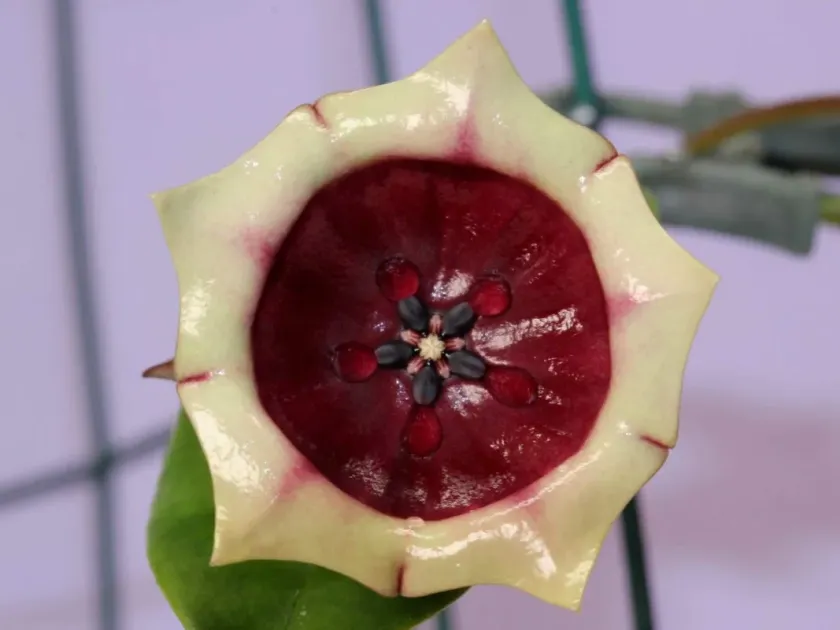
Description
Growing requirements
Hoya wallichii is a remarkable species belonging to the Apocynaceae family. This epiphytic vine is native to the tropical forests of South and Southeast Asia, where it grows attached to tree trunks.
The climate requirements for this plant focus on high humidity levels and consistent warmth. It thrives best in environments with 60-80% humidity and temperatures ranging from 20 to 26 degrees Celsius throughout the year.
Regarding soil, Hoya wallichii requires a coarse, well-draining substrate. A mix of orchid bark, perlite, and coconut husk chips creates the ideal structure for epiphytic roots, preventing moisture stagnation.
Lighting should be bright and indirect. Direct sunlight can scorch the delicate leaves, while insufficient light prevents the vine from blooming and causes the stems to become weak and leggy.
Watering should be performed only when the substrate has significantly dried out. Overwatering is the most critical mistake, as it quickly leads to root rot in this epiphytic species.
Main diseases and pests
Mealybugs are the most common pest found on Hoya wallichii. These insects tend to cluster in the leaf axils, sucking the sap and weakening the overall health of the plant if left untreated.
Root rot caused by Phytophthora or Pythium fungi is a major threat linked to poor soil drainage. If the roots become black and mushy, the plant may require immediate repotting into fresh, sterile media.
Scale insects often attach themselves to the stems, creating hard, protective shells. They should be removed manually or treated with systemic pesticides to prevent further infestation.
Spider mites can become a problem in low-humidity environments. Regularly misting the plant and maintaining proper airflow helps to deter these pests and keep the foliage clean.
Fungal leaf spots may occur if water remains on the leaves for too long in poorly ventilated areas. Always ensure good air circulation to promote evaporation and healthy plant growth.