
Hoya verticillata
Hoya verticillata
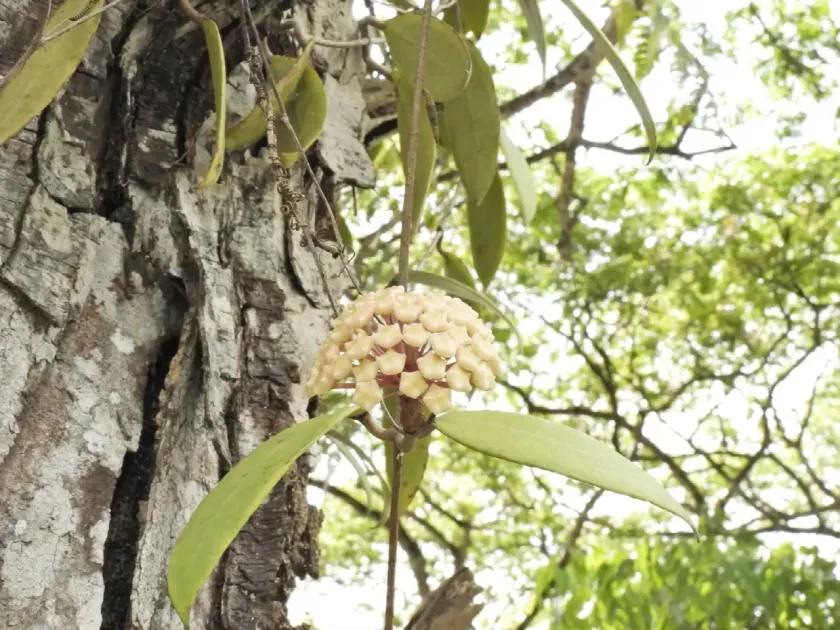
Description
Growing requirements
Hoya verticillata is a perennial evergreen tropical vine belonging to the Apocynaceae family. Native to the rainforests of Southeast Asia, this species thrives as an epiphyte, utilizing tree trunks for structural support in its natural habitat.
The plant requires a warm, stable climate with temperatures ideally ranging between 20 and 26 degrees Celsius. Exposure to cold drafts must be avoided, as the plant is sensitive to thermal shock which can lead to premature leaf drop or dormant growth cycles.
Cultivation requires a well-draining, airy substrate. A mix consisting of orchid bark, perlite, coco peat, and charcoal is recommended to ensure that the root system receives adequate oxygen while preventing waterlogging, which is detrimental to the plant.
Hoya verticillata prefers bright, indirect light. While it can tolerate some morning sun, intense midday rays may scorch the succulent-like leaves. Adequate light intensity is crucial for the plant to produce its characteristic fragrant flower clusters during the growing season.
Watering should be managed carefully, allowing the growing medium to dry out slightly between sessions. Fertilization with a balanced or low-nitrogen liquid fertilizer is recommended during the peak growing months to encourage both vegetative vigor and flowering.
Main diseases and pests
The most common pests affecting this species are mealybugs and spider mites. These sap-sucking insects often congregate in leaf axils or on the undersides of leaves, gradually weakening the plant by depleting its nutrient stores.
Root rot is the primary threat caused by improper watering practices or heavy, non-porous soil mixtures. If the medium stays wet for too long, oxygen supply to the roots is cut off, facilitating the proliferation of harmful fungi and bacteria.
Pest control measures include the application of appropriate systemic insecticides or neem oil treatments. Ensuring a clean environment and isolating new plants are essential strategies to prevent widespread infestation within a collection.
Effective management of fungal issues requires the use of specialized fungicides and immediate removal of affected plant tissue. Repotting into a fresh, porous medium is often necessary if the original soil has become compacted or decomposed.
Regular maintenance, including wiping leaves with a damp cloth and checking for signs of stress, is the best preventive strategy. Maintaining consistent humidity levels will help keep the plant resilient against environmental stressors and potential pathogens.