
Hoya tsiangiana
Hoya tsiangiana
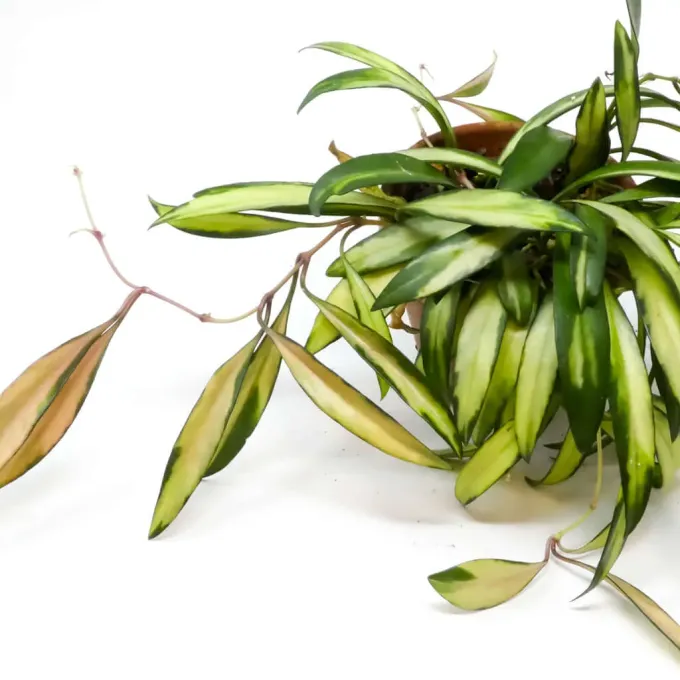
Description
Growing requirements
Hoya tsiangiana is a sophisticated evergreen vine belonging to the Apocynaceae family. Originating from the mountainous regions of Southern China, it has evolved as a unique epiphyte that thrives in high-humidity canopy environments.
The plant requires a stable microclimate to flourish, with temperatures ideally ranging from 21°C to 27°C. Cold drafts are strictly contraindicated, as they cause significant stress and may lead to leaf drop or growth stagnation in sensitive specimens.
Growing this species necessitates a specialized, well-draining substrate. A mix consisting of orchid bark, perlite, and high-quality peat moss is recommended to ensure both moisture retention and adequate aeration for the sensitive root system.
Regarding light, Hoya tsiangiana performs best under bright, indirect light conditions. While it can withstand some morning sun, excessive heat and direct radiation should be avoided to prevent foliar damage and maintain vibrant green pigmentation.
Humidity management is a cornerstone of success for this plant. As a native of humid forests, it requires ambient humidity levels above 60%. Utilizing humidifiers or placing the plant on pebble trays filled with water is essential for optimal growth.
Main diseases and pests
Mealybugs are the most persistent pest for Hoya tsiangiana, often hiding in the dense leaf axils and along the stems, making them difficult to eradicate without systematic inspection.
Spider mites frequently attack when the indoor air becomes too dry, causing fine webbing and speckled leaf surfaces. Maintaining proper humidity is the primary method of preventing these infestations.
Root rot is a critical threat often caused by overwatering or poor drainage. Once the root system is compromised by fungal pathogens, it is notoriously difficult to restore the plant to a healthy state.
Regular monitoring of the foliage and stems is advised to catch potential issues early. Any presence of discolored patches or sticky residue should be addressed immediately with appropriate horticultural treatments.
Integrated pest management, including the use of neem oil or systemic insecticides for severe outbreaks, helps ensure the health of the plant while maintaining the integrity of its decorative foliage and flowers.