
Hoya tsangii
Hoya tsangii
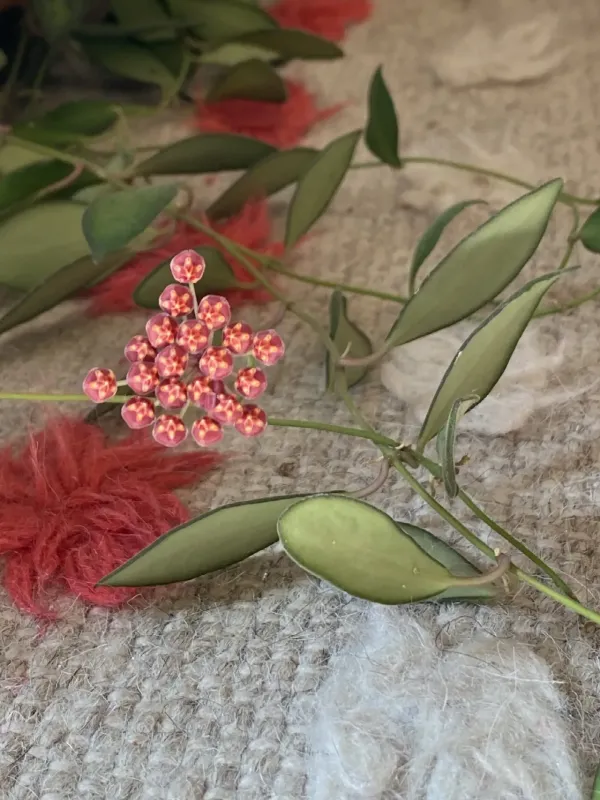
Description
Growing requirements
Hoya tsangii belongs to the Apocynaceae family, specifically the subfamily Asclepiadoideae. It is a tropical vining epiphyte originating from the Philippines, where it naturally climbs trees in humid forest environments, utilizing its aerial roots for support.
Cultivation requires bright, indirect sunlight to thrive and bloom effectively. While it tolerates lower light levels, insufficient lighting will cause the plant to become leggy and significantly reduce the likelihood of it producing its characteristic fragrant flowers.
Temperature management is crucial, as the species prefers a stable environment between +18 and +26 degrees Celsius. It is highly intolerant of cold drafts and sudden drops in temperature, which can easily stress the plant and stunt its development.
The substrate must be extremely well-draining, similar to orchid mixes. A blend consisting of pine bark, perlite, charcoal, and a small amount of coco peat provides the necessary aeration and moisture retention that prevents the roots from suffocating in stagnant water.
Watering techniques should emphasize the "dry-to-thoroughly-wet" cycle. It is essential to allow the growing medium to partially dry out between sessions, especially during the dormant season, to mimic the fluctuating moisture levels of its native canopy habitat.
Main diseases and pests
Mealybugs are the most common pests associated with this species. These insects tend to cluster in the leaf axils and along the stems, feeding on plant sap and potentially causing significant decline if not controlled early with systemic insecticides.
Spider mites are a frequent problem, especially when the ambient indoor humidity drops below 40 percent. These microscopic pests create fine webs and cause stippling on the leaves, leading to chlorosis and eventual leaf drop if left untreated.
Root rot is a critical threat driven by poor agricultural practices, particularly overwatering in heavy, non-aerated potting soils. Once root decay starts, the plant loses its ability to absorb water, which can quickly lead to total systemic failure.
Scale insects can also infest the woody stems of mature plants. Because their hard outer shells are resistant to many topical treatments, physical removal followed by specialized horticultural oil application is often the most effective eradication strategy.
Fungal leaf spot diseases occur when moisture remains on the foliage for extended periods combined with poor air circulation. Improving ventilation around the canopy is the primary cultural control measure to prevent such pathogenic outbreaks.