
Hoya thomsonii
Hoya thomsonii
Description
Growing requirements
Hoya thomsonii is a captivating evergreen vine belonging to the Apocynaceae family. Native to the Himalayan region and parts of China, this species thrives in environments characterized by high atmospheric humidity and dappled sunlight, reflecting its natural forest habitat.
Successful cultivation requires a specialized well-draining potting medium. Growers typically use a mix of orchid bark, perlite, and high-quality peat moss to ensure proper aeration, which prevents the common issue of root rot caused by stagnant water in the substrate.
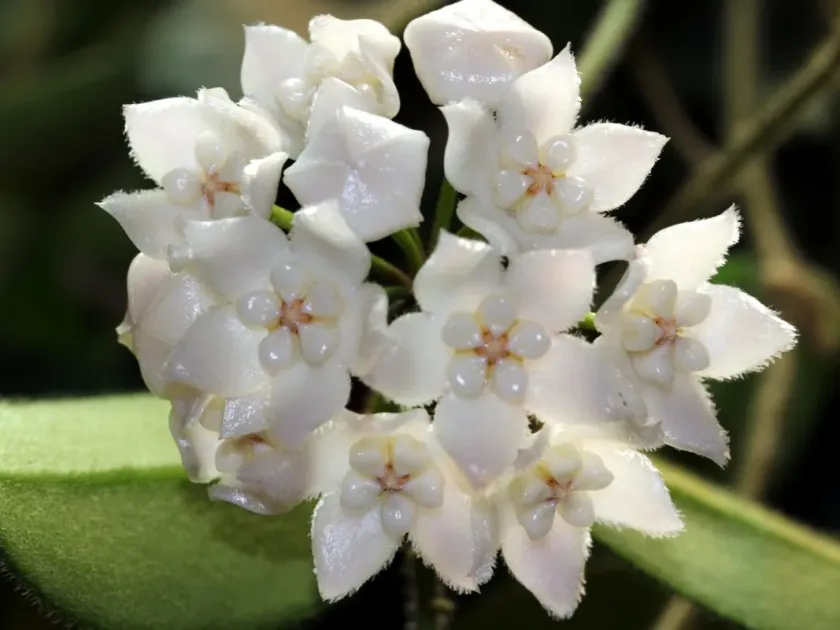
Temperature management is crucial for this species; it prefers moderate temperatures ranging between 18°C and 25°C. During the winter, providing slightly cooler nights can effectively trigger the blooming process, leading to the development of its iconic fragrant flower clusters.
Light intensity should be carefully monitored, as Hoya thomsonii performs best in bright, indirect light. Placing the plant near a window with sheer curtains provides the necessary light levels without exposing the delicate foliage to damaging ultraviolet radiation.
This species is highly valued in horticulture for its ornamental foliage and unique, star-shaped inflorescences. It is primarily used as an indoor ornamental plant, often trained to grow on trellises or in hanging baskets to showcase its trailing growth habit.
Main diseases and pests
Common pests that affect Hoya thomsonii include mealybugs and spider mites, which thrive in dry indoor environments. Implementing a regular maintenance routine that includes wiping leaves and monitoring for pests is essential for plant longevity.
Disease management primarily revolves around avoiding moisture-related stress. Root rot, usually resulting from improper drainage or overwatering, remains the most significant threat to the overall health and vigor of the specimen in captivity.