
Hoya sussuela
Hoya sussuela
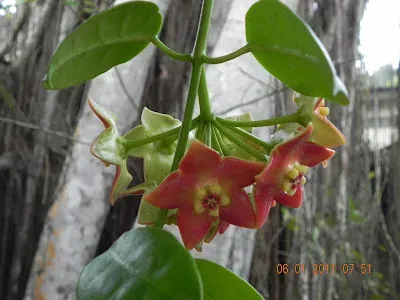
Description
Growing requirements
Hoya sussuela is an evergreen epiphytic vine belonging to the Apocynaceae family. Native to the humid rainforests of Southeast Asia, this species has adapted to environments characterized by consistent temperatures and high atmospheric humidity.
Successful cultivation requires maintaining a temperature range between 20°C and 26°C. It is essential to protect the plant from cold drafts and sudden thermal fluctuations, which are known to cause significant stress and leaf drop.
The substrate must be highly aerated and drainage-focused, mimicking the epiphytic natural growing medium. A blend consisting of orchid bark, perlite, coco coir, and charcoal provides the ideal structure for root health and gas exchange.
Watering should be balanced, allowing the potting mix to dry out slightly between sessions. Overwatering is the most common cause of root rot, as the roots require a period of aeration to function correctly in a pot-bound environment.
Bright, indirect light is necessary for healthy vegetative growth and future flowering. If the light intensity is too low, the plant will produce elongated, weak stems with limited foliage, whereas excessive direct sun can cause phototoxic leaf burns.
Main diseases and pests
The most significant pathological threat to Hoya sussuela is fungal root rot, primarily driven by poor drainage or prolonged saturation of the substrate. Once the vascular system of the roots is compromised, the plant exhibits rapid decline.
Mealybugs represent a primary insect pest, often hiding in the axils of the leaves or along the vine. They feed on plant sap and secrete a sticky substance known as honeydew, which promotes the growth of secondary sooty mold.
Spider mites are common in environments with low relative humidity. These pests puncture individual plant cells, leading to a mottled appearance on the leaves and eventual chlorosis if left untreated by appropriate acaricides.
Scale insects can also infest the stems, creating hardened brown bumps that are difficult to remove. Mechanical removal combined with the application of horticultural oils or systemic insecticides is the standard treatment protocol.
Maintaining a high standard of hygiene is critical. Regularly wiping down leaves with a damp cloth prevents dust buildup, allows for better transpiration, and enables the grower to detect early signs of pest infestations or disease symptoms.