
Hoya sigillatis
Hoya sigillatis
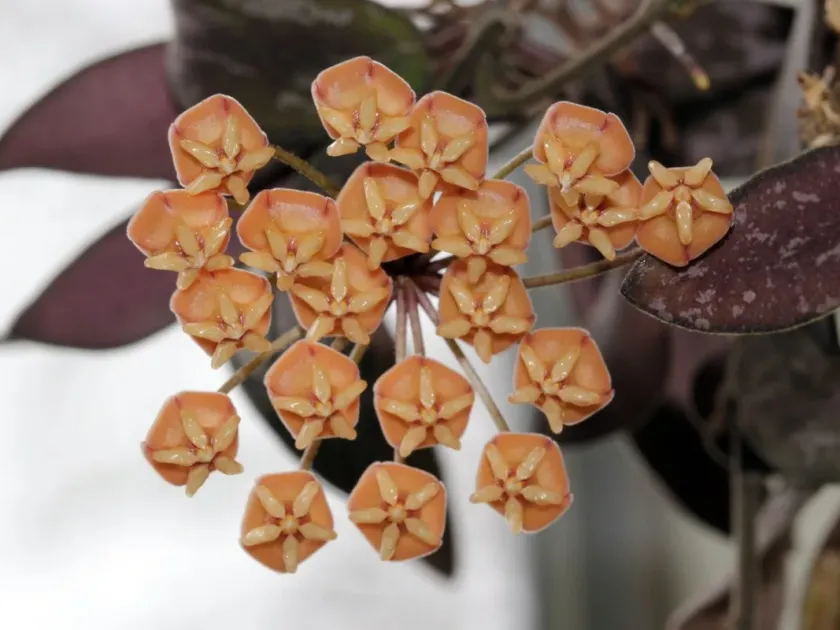
Description
Growing requirements
Hoya sigillatis is a decorative evergreen vine belonging to the Apocynaceae family. In its native habitat, it functions as an epiphyte, growing in tropical forests in Southeast Asia where it attaches itself to tree bark to reach filtered sunlight.
To successfully cultivate this species, it is essential to maintain high humidity levels, ideally between 60% and 80%. The plant thrives in bright, indirect light, as direct midday sun can cause significant leaf damage and bleaching of its characteristic foliage.
The substrate must provide exceptional drainage and aeration, as the roots are sensitive to waterlogging. A mixture consisting of orchid bark, coconut coir, perlite, and a small portion of charcoal is considered optimal for recreating the forest floor conditions.
The ideal temperature range for active growth is between +22 and +26 degrees Celsius. It is crucial to protect the plant from sudden temperature drops and cold drafts, which often lead to premature leaf drop and stunted growth of the trailing stems.
Watering should be conducted once the top 2-3 centimeters of the substrate have dried out. During the dormant winter season, watering frequency should be reduced, ensuring that the soil remains only slightly moist to prevent root decay.
Main diseases and pests
Mealybugs and spider mites are the most frequent pests associated with Hoya sigillatis, especially in environments with poor ventilation or low humidity. These pests tend to congregate in leaf axils, making regular inspections vital for early detection.
Poor drainage and improper watering schedules often lead to root rot. This condition is caused by fungal pathogens that thrive in suffocating, overly wet soil, leading to the rapid decline of the vine's health.
Pest management relies on using targeted systemic insecticides or horticultural oils. Regular hygiene, such as wiping down leaves and removing dead foliage, significantly reduces the risk of infestations in indoor plant collections.
If fungal issues arise, it is necessary to transplant the Hoya into fresh, sterile media after trimming any decayed roots. Maintaining proper airflow around the stems can prevent recurrence and improve the overall vigor of the plant.
Successful management of this plant requires consistent observation of its response to environmental changes. Proper fertilization with a balanced, low-nitrogen fertilizer during the spring and summer supports steady growth and blooming potential.