
Hoya serpens
Hoya serpens
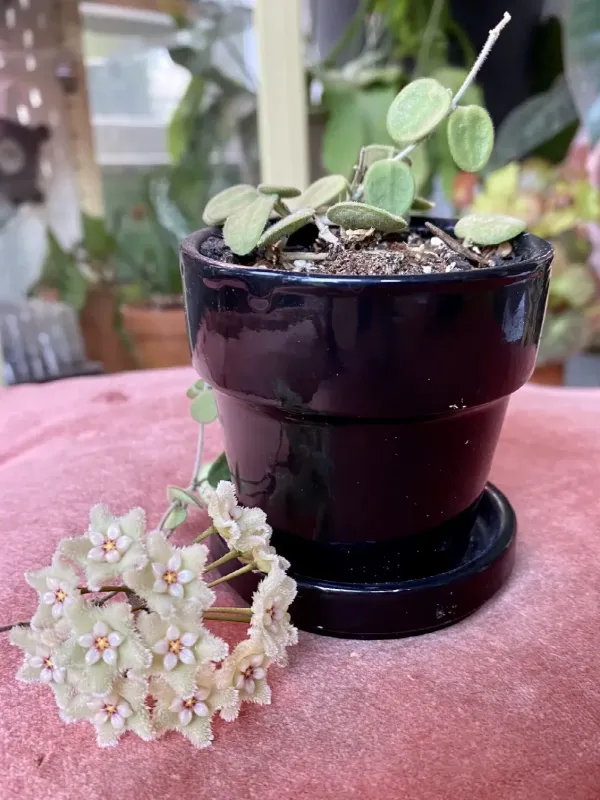
Description
Growing requirements
Hoya serpens is a miniature epiphytic vine belonging to the Apocynaceae family. Native to the high-altitude forests of the Himalayas, specifically found in Nepal and parts of India, it thrives in unique environmental conditions.
The plant is prized for its small, fuzzy leaves and its distinct, spherical clusters of fragrant flowers. Unlike lowland tropical Hoyas, it prefers cooler temperatures, typically between 15°C and 22°C, making it a unique choice for indoor growers.
Cultivation requires a highly porous and airy medium. A mixture of orchid bark, perlite, and coconut husk is recommended to ensure that the roots receive ample oxygen and do not remain waterlogged.
Bright, indirect light is essential for healthy development. While it can tolerate lower light levels than some other species, intense direct sun will scorch its delicate foliage very quickly.
Humidity management is critical for Hoya serpens. It performs best in environments with high ambient moisture, often necessitating the use of glass cabinets or specialized terrarium setups to mimic its natural montane habitat.
Main diseases and pests
Root rot is the most significant threat to the health of Hoya serpens. It is highly sensitive to moisture retention, and even a brief period of waterlogging can cause systemic failure of the root system.
Mealybugs are the most common pest observed on this species. These insects thrive in the tight spaces between the small, dense leaves, making them difficult to eradicate without diligent care.
Spider mites pose a significant risk, particularly during winter months when indoor heating lowers the relative humidity. Regular misting or the use of humidifiers can help prevent infestations.
Scale insects can occasionally infest the stems, extracting vital sap. Physical removal combined with the application of horticultural oils is often the most effective method for management.
Stagnant air and poor ventilation are primary catalysts for fungal pathogens. To maintain plant vigor, ensure constant but gentle airflow around the foliage to prevent dampness and mold growth.