
Hoya scortechinii
Hoya scortechinii
Description
Growing requirements
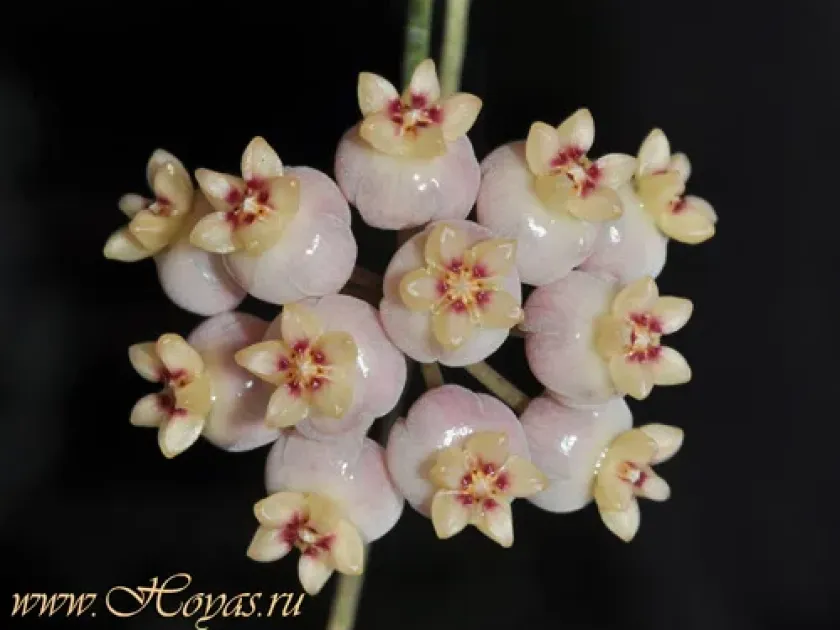
Hoya scortechinii is a perennial vine belonging to the Apocynaceae family, native to the tropical rainforests of the Malay Peninsula. As an epiphytic species, it naturally inhabits tree trunks, utilizing its adventitious roots to anchor itself and absorb nutrients from decaying organic debris.
The climate requirements for this plant are stringent: it thrives in temperatures ranging from 22°C to 28°C and requires a humid environment. Consistent warmth is essential, as the plant does not tolerate cold drafts or temperatures dropping below 15°C, which can cause significant physiological stress.
Regarding substrate, the cultivation of Hoya scortechinii demands a highly porous, well-draining medium. A mix comprising orchid bark, perlite, coco chips, and a small portion of peat is considered optimal. This composition prevents compaction and ensures that the root system has sufficient aeration.
Lighting conditions should mimic the dappled light of the forest canopy. While the plant appreciates bright light, it must be protected from direct, scorching sun rays during the middle of the day. Proper light exposure is a prerequisite for blooming and maintaining the vibrant color of the foliage.
Watering practices require a delicate balance. The substrate should be kept consistently moist but never waterlogged. During the growing season, it is advisable to water thoroughly when the top layer of the substrate becomes dry to the touch, ensuring excess moisture drains freely from the pot.
Main diseases and pests
Mealybugs are the most common pests affecting this species. They typically cluster in the leaf axils and along the stems, feeding on the plant sap. Their presence often leads to the development of sooty mold, which can inhibit photosynthesis and overall plant vigor.
Spider mites represent another significant threat, particularly in environments with low humidity. These microscopic pests puncture leaf tissues, resulting in yellow stippling and eventual leaf drop. Maintaining proper humidity levels is the primary preventative measure against mite infestations.
Root rot caused by Phytophthora or Pythium species is a critical threat often resulting from poor drainage or overwatering. Once rot settles in, the plant loses its ability to absorb water, leading to wilting and decay. Immediate repotting into fresh, sterile substrate is necessary to save the specimen.
Fungal leaf spots can occur when the plant is kept in stagnant, humid air with poor circulation. These infections are characterized by brown or black lesions on the leaves, which can spread rapidly if not addressed with appropriate systemic fungicides and improved airflow.
To ensure plant longevity, implement a regular monitoring schedule. Inspect the underside of the leaves and the stem junctions weekly. Early detection of pests allows for localized treatments using mild insecticidal soaps or neem oil, avoiding the need for stronger, more toxic interventions.